Why Dressing Trolleys Are Vital For Organised Healthcare Facilities
Ever wondered what keeps a busy hospital ward running smoothly during wound care procedures? Have you thought about how nurses manage to access sterile supplies quickly while maintaining strict hygiene standards? What’s the secret behind efficient healthcare delivery that keeps both staff and patients safe?
The answer might surprise you. It’s not always the high-tech equipment or cutting-edge medical devices that make the biggest difference. Sometimes, it’s the humble hospital dressing trolley that truly transforms how care is delivered. These essential pieces of equipment sit at the heart of organised healthcare facilities across Australia, quietly supporting countless medical procedures every single day.
In this article, we’ll explore why dressing trolleys deserve more recognition than they typically receive. You’ll discover what makes a quality hospital dressing trolley, how it supports infection control, and what features matter most when choosing one for your facility. We’ll also look at Australian healthcare compliance requirements and share practical tips for keeping your trolleys in top condition. Whether you’re a healthcare administrator, nurse manager, or procurement specialist, this guide will give you the knowledge you need to make informed decisions about this vital equipment.
What Is A Hospital Dressing Trolley?
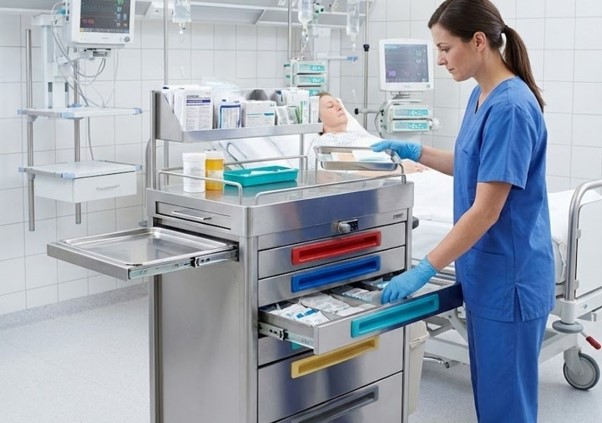
A hospital dressing trolley is a mobile storage unit specifically designed for wound care procedures. Think of it as a nurse’s trusted companion during dressing changes, minor surgical procedures, and general wound management tasks.
Key Components And Features
Most hospital dressing trolleys share several common features that make them perfect for clinical settings. You’ll typically find stainless steel construction, which allows for thorough cleaning and resists corrosion. Multiple shelves or trays provide organised storage space, while lockable castors ensure the trolley stays put during procedures.
Many modern trolleys include additional features like integrated sharps containers, built-in waste disposal options, and removable trays for easy sterilisation. Some even feature antimicrobial surfaces that actively fight bacterial growth between cleans.
Different Types Of Dressing Trolleys Used In Healthcare
Healthcare facilities use various types of dressing trolleys depending on their specific needs. Standard two-tier trolleys work well for routine wound care, while larger three-tier models suit busy surgical wards. Specialised versions exist for burns units, operating theatres, and community nursing teams who need portable options for home visits.
Why Are Dressing Trolleys Important In Hospitals?
The importance of a well-designed hospital dressing trolley extends far beyond simple storage. These trolleys play a crucial role in maintaining high standards of patient care.
Streamlining Wound Care Procedures
Time matters in healthcare. When everything a nurse needs sits within arm’s reach on an organised trolley, procedures flow more smoothly. There’s no need to leave the patient’s bedside to fetch forgotten supplies, which means faster treatment and less disruption.
A properly stocked dressing trolley creates a systematic workflow that reduces errors and improves consistency across different staff members and shifts.
Supporting Infection Control Protocols
Infection control sits at the core of modern healthcare, and dressing trolleys support these protocols beautifully. Clean surfaces, organised supplies, and designated zones for sterile versus used items all help prevent cross-contamination.
The mobility of trolleys means they can be thoroughly cleaned between patients, unlike fixed storage units that might harbour bacteria in hard-to-reach spots.
Enhancing Workflow Efficiency For Nursing Staff
Nurses work incredibly hard, often managing multiple patients simultaneously. A well-organised hospital dressing trolley saves precious minutes during each procedure. Those minutes add up across a shift, freeing staff to spend more quality time with patients rather than hunting for supplies.
How Do Dressing Trolleys Improve Patient Safety?
Patient safety isn’t just a buzzword—it’s the foundation of quality healthcare. Dressing trolleys contribute to safety in several meaningful ways.
Reducing Cross-Contamination Risks
Cross-contamination remains one of the biggest threats in wound care. A dedicated dressing trolley creates clear separation between clean and contaminated items. Most designs feature distinct zones or trays, making it visually obvious where sterile supplies belong and where used materials should go.
This physical separation reinforces good practice and reduces the chance of accidental contamination, even during busy periods when staff might feel rushed.
Ensuring Quick Access To Sterile Supplies
In emergency situations, every second counts. When sterile supplies are logically arranged on a hospital dressing trolley, staff can grab what they need without hesitation. This quick access proves particularly valuable during unexpected complications or when treating deteriorating wounds.
Proper organisation also means supplies stay sealed and protected until needed, maintaining their sterility right up to the moment of use.
What Should You Look for When Choosing a Hospital Dressing Trolley?
Selecting the right trolley requires careful consideration of your facility’s unique requirements. Here’s what matters most.
Material And Durability Considerations
Stainless steel remains the gold standard for hospital dressing trolleys. It withstands harsh cleaning chemicals; resists rust and offers excellent durability. Look for welded joints rather than screws, which can harbour bacteria in their crevices.
Quality trolleys should feel solid and stable, with no wobbling or rattling parts that might loosen over time.
Manoeuvrability And Ergonomic Design
Your staff will push these trolleys hundreds of times daily, so smooth-rolling castors make a real difference. Look for wheels with quality bearings and rubber coating to protect floors. At least two castors should lock firmly to keep the trolley stable during procedures.
Consider the trolley’s height too. Staff shouldn’t need to bend awkwardly or reach uncomfortably to access supplies.
Storage Capacity And Customisation Options
Different wards have different needs. Burns units require space for larger dressings, while general medical wards might need more variety in smaller quantities. Choose trolleys with adjustable shelving or modular components that can adapt as your requirements change.
Some manufacturers offer customisation options, allowing you to specify exact dimensions, shelf configurations, and additional accessories to match your workflow.
How Do Dressing Trolleys Support Compliance In Australian Healthcare Settings?
Australian healthcare facilities must meet strict standards, and proper equipment plays a vital role in achieving compliance.
Meeting Australian Healthcare Standards
The Australian Commission on Safety and Quality in Health Care sets clear expectations for infection prevention and equipment management. Using appropriate hospital dressing trolleys demonstrates your commitment to these standards.
Facilities undergoing accreditation assessments benefit from having well-maintained, fit-for-purpose equipment that meets current guidelines. Assessors look favourably on organisations that invest in quality clinical equipment.
Audit Readiness And Documentation Support
During audits, facilities must demonstrate consistent infection control practices. Clean, organised dressing trolleys provide visible evidence of good practice. Some organisations maintain trolley checklists and cleaning logs, creating a paper trail that proves ongoing compliance.
This documentation becomes invaluable when responding to audit queries or investigating adverse events.
Common Challenges Without Proper Dressing Trolleys
What happens when facilities try to manage without adequate dressing trolleys? The consequences affect both staff and patients.
Disorganised Supplies And Wasted Time
Without dedicated trolleys, supplies often end up scattered across storage cupboards, drawers, and makeshift containers. Staff waste valuable time searching for items, sometimes discovering that essential supplies have run out only when they’re needed most.
This disorganisation creates frustration, increases stress, and ultimately compromises patient care quality.
Increased Risk Of Healthcare-Associated Infections
Improvised storage solutions rarely provide the same level of hygiene as purpose-built equipment. Healthcare-associated infections cost the Australian healthcare system millions annually and cause significant patient suffering.
Investing in proper hospital dressing trolleys represents a cost-effective strategy for reducing infection rates.
Best Practices For Maintaining Your Hospital Dressing Trolley
Even the best equipment requires proper care to perform well over time.
Cleaning And Disinfection Guidelines
Establish clear cleaning schedules that specify when, how, and with what products trolleys should be cleaned. Most facilities clean trolleys between patients and perform deeper cleans at the end of each shift.
Use hospital-grade disinfectants approved for use on your trolley’s materials. Pay special attention to handles, edges, and any textured surfaces where bacteria might hide.
Regular Stock Checks And Restocking Protocols
Designate responsibility for keeping trolleys properly stocked. Many wards assign this task to specific staff members at particular times, ensuring nothing falls through the cracks.
Create standardised stock lists showing exactly what should be on each trolley. This consistency helps staff from different wards cover shifts seamlessly.
Investing In Organisation For Better Patient Outcomes
Throughout this article, we’ve seen how the humble hospital dressing trolley contributes to virtually every aspect of quality wound care. From infection control to staff efficiency, these essential pieces of equipment punch well above their weight in terms of impact.
The evidence is clear: facilities that invest in proper dressing trolleys see benefits across multiple measures. Patient safety improves, staff satisfaction increases, and compliance becomes easier to maintain. In an era of tight healthcare budgets, this represents excellent value for money.
If you’re responsible for equipping a healthcare facility, take a fresh look at your dressing trolleys. Are they meeting your needs? Are they supporting your staff effectively? Investing in quality equipment today creates the foundation for better patient outcomes tomorrow. Your patients—and your hardworking clinical team—deserve nothing less.