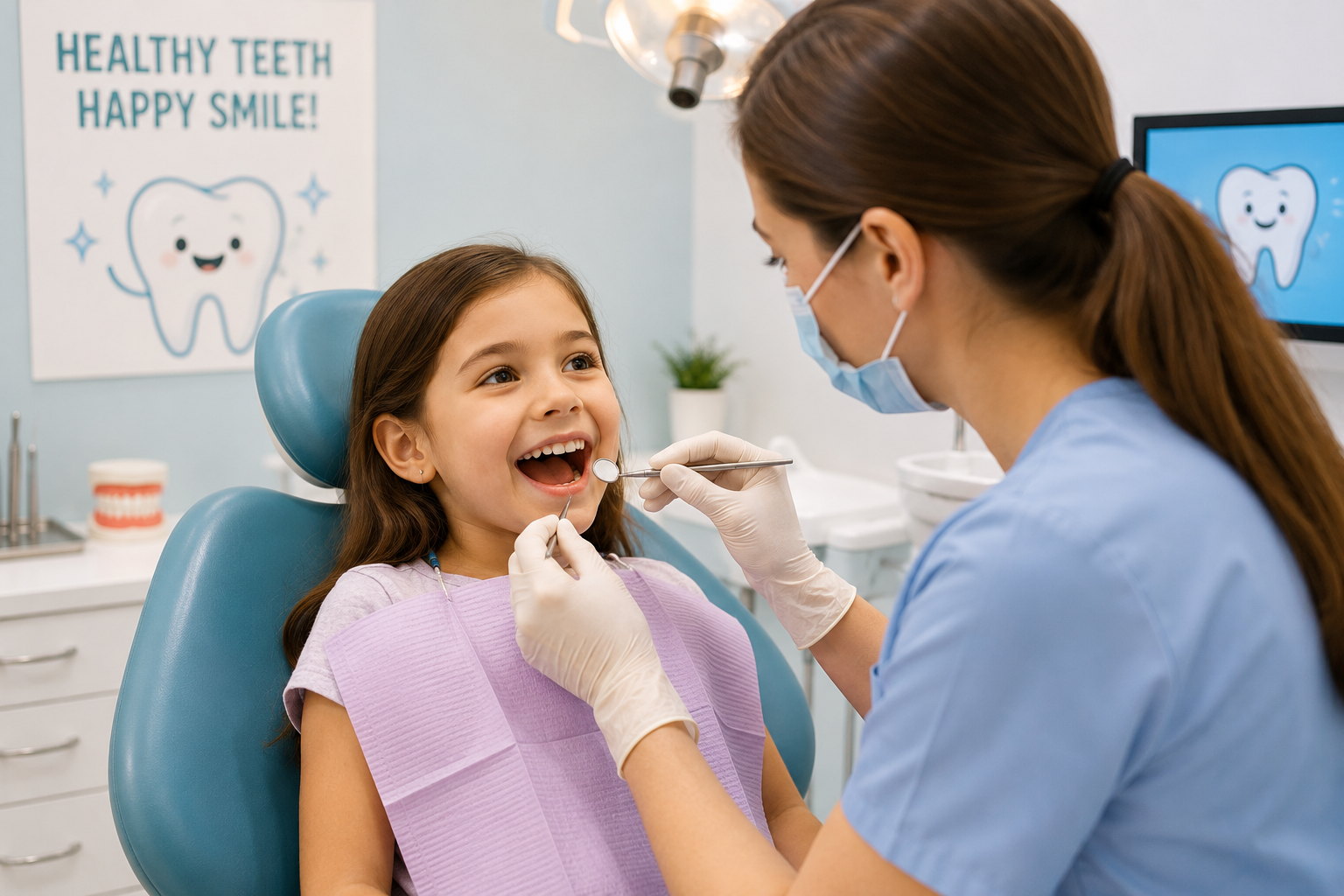
Why Children Should Visit the Dentist from an Early Age
Have you ever wondered when the right time is to take your little one for their first dental check-up? Are you worried about how they’ll react to sitting in that big chair? Or perhaps you’re questioning whether baby teeth even matter since they’ll fall out anyway?
You’re certainly not alone in having these questions. Many Australian parents find themselves unsure about when to start their child’s dental journey. The truth is, establishing good oral health habits early can make a world of difference to your child’s overall wellbeing. From preventing painful cavities to catching developmental issues before they become serious problems, early dental visits set the foundation for a lifetime of healthy smiles.
In this guide, we’ll explore everything you need to know about children’s dental care. We’ll cover the ideal age for that first appointment, what actually happens during a visit, and how to make the whole experience stress-free. Plus, we’ll touch on more advanced treatments like endodontic treatment and root canal therapy—including what influences root canal cost in Melbourne—so you understand how early prevention can save both pain and money down the track.
When Should Your Child First Visit the Dentist?
The Recommended Age for a First Dental Appointment
The Australian Dental Association recommends booking your child’s first dental visit when their first tooth appears, or by their first birthday—whichever comes first. This might seem surprisingly early, but there’s solid reasoning behind it.
Those tiny teeth that start popping through around six months old are just as vulnerable to decay as adult teeth. In fact, they can be even more susceptible. Getting your child into the dental chair early allows the dentist to spot any potential concerns and give you tailored advice on caring for those precious pearly whites.
Think of it as a gentle introduction rather than a full-blown examination. Your little one gets familiar with the dental environment, and you get peace of mind knowing everything’s developing as it should.
Why Waiting Too Long Can Cause Problems
Putting off that first visit might seem harmless, but delays can lead to issues going unnoticed. Tooth decay in toddlers is more common than you’d think, and it can progress quickly without regular monitoring.
What’s more, children who only visit the dentist when something hurts often develop anxiety around dental care. They associate the experience with pain rather than routine maintenance. Starting early helps avoid this negative connection entirely.
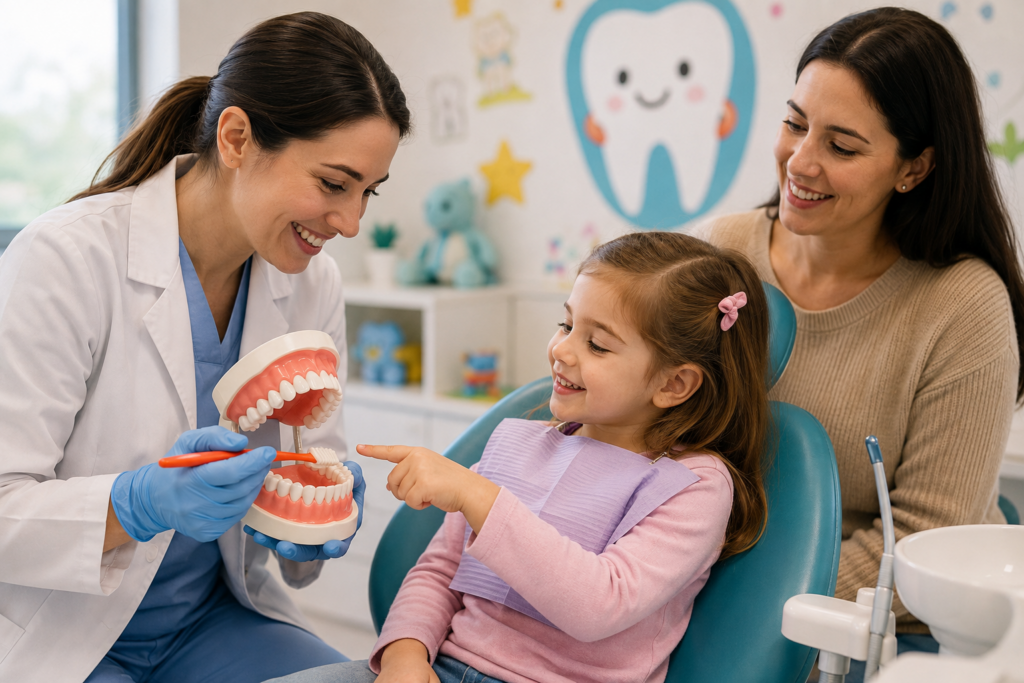
What Happens During a Child’s First Dental Visit?
What to Expect: A Gentle Introduction
First visits are typically short and sweet. The dentist will count your child’s teeth, check their gums, and look at how their jaw is developing. There’s usually no drilling, no scary instruments—just a friendly examination.
Many dentists let parents hold their child during the check-up, making the whole experience feel safe and familiar. It’s really about building trust and making the dental surgery feel like a normal, comfortable place to be.
How Dentists Make Children Feel Comfortable
Good paediatric dental care involves plenty of patience and creativity. Dentists often use child-friendly language, calling the suction tool a “tooth hoover” or the examination light a “sunshine.” These little touches make all the difference.
Some practices have play areas, colourful décor, and even reward systems with stickers or small toys. The goal is simple: make dental visits something your child looks forward to rather than dreads.
The Benefits of Early Dental Visits for Children
Preventing Tooth Decay Before It Starts
Prevention really is better than cure when it comes to dental health. Early visits allow dentists to apply protective treatments like fluoride varnish, which strengthens enamel and helps prevent cavities from forming.
You’ll also receive guidance on diet, brushing techniques, and habits like thumb-sucking that could affect dental development. This proactive approach means fewer problems down the line.
Establishing Positive Dental Habits
Children who visit the dentist regularly from a young age tend to maintain better oral hygiene as they grow. They understand that looking after their teeth is simply part of life—not something to be feared or avoided.
These habits carry into adulthood, reducing the likelihood of serious dental issues later on. It’s an investment in their future health that pays dividends for years to come.
Detecting Developmental Issues Early
Regular check-ups allow dentists to monitor how teeth are coming through and whether the jaw is developing correctly. Spotting alignment issues early means treatment can begin sooner, often making it simpler and less invasive.
Early intervention can prevent the need for extensive orthodontic work later, saving both time and money.
Common Childhood Dental Problems and How to Avoid Them
Cavities in Baby Teeth: Why They Matter
Some parents assume baby teeth aren’t worth worrying about since they’ll fall out anyway. However, cavities in baby teeth can cause pain, infection, and even affect the permanent teeth developing beneath them.
Untreated decay can lead to abscesses and may require extraction, which can impact how adult teeth come through. Properly caring for baby teeth sets the stage for healthy permanent teeth.
Early Signs of Alignment Issues
Crooked teeth or bite problems often become apparent in early childhood. Regular dental visits mean these issues get flagged early, giving you options for treatment before they worsen.
Simple interventions during childhood can prevent more complex orthodontic procedures during the teenage years.
What Is Endodontic Treatment and Do Children Ever Need It?
Understanding Root Canal Treatment in Simple Terms
So, what is endodontic treatment exactly? Put simply, it’s treatment of the tooth’s inner pulp—the soft tissue containing nerves and blood vessels. When this pulp becomes infected or damaged, root canal therapy removes the affected tissue and saves the tooth.
Root canals have an unfair reputation for being painful, but modern techniques make them no more uncomfortable than getting a filling. The procedure actually relieves pain rather than causing it.
Can Children Require Root Canal Therapy?
Yes, children can need root canal treatment, though it’s less common than in adults. Deep cavities or injuries to baby teeth sometimes affect the pulp, requiring intervention.
Paediatric root canals on baby teeth (called pulpotomies) are slightly different from adult procedures but serve the same purpose: saving the tooth and preventing infection spread.
How Early Dental Care Reduces the Risk of Root Canals Later
Here’s the good news: regular dental visits and proper oral hygiene dramatically reduce the likelihood of ever needing a root canal. Catching cavities early means they can be treated with simple fillings rather than allowing decay to reach the pulp.
Prevention truly is the best medicine. By investing in your child’s dental health now, you’re helping them avoid more invasive treatments in the future.
How Much Does It Cost to Do a Root Canal?
Understanding Root Canal Cost in Melbourne
If your child does require root canal treatment, you’re probably wondering about expenses. Root canal cost in Melbourne varies depending on several factors, including which tooth is affected and the complexity of the procedure.
A molar root canal typically costs more than treatment on front teeth because molars have multiple roots requiring more detailed work. Prices generally range from a few hundred to over a thousand dollars.
Root Canal Price in Melbourne: What Influences the Cost?
Several things affect root canal price in Melbourne. The tooth’s location, number of root canals involved, and whether you’re seeing a general dentist or specialist endodontist in Melbourne all play a role.
Root canal treatment cost also includes additional components like the permanent filling after root canal and any required X-rays. Some practices offer payment plans to make root canal procedure cost more manageable for families.
Why Prevention Is More Affordable Than Treatment
When you consider root canal therapy cost alongside other potential expenses like root canal surgery cost and root canal filling cost, prevention starts looking incredibly worthwhile. Regular check-ups and good oral hygiene are far more affordable than treating advanced decay.
Teaching children proper brushing habits and limiting sugary snacks can save thousands in dental bills over their lifetime.
Finding the Right Dental Care for Your Child
Choosing Between a General Dentist and an Endodontist in Melbourne
For routine care, a family-friendly general dentist is perfect. They’ll handle check-ups, cleanings, and basic treatments. However, if your child needs specialised root canal treatment in Malvern or elsewhere, you might be referred to endodontists in Melbourne.
An endodontist in Melbourne has additional training specifically in root canal therapy Melbourne procedures. For complex cases, their expertise ensures the best possible outcome.
What to Look for in a Family-Friendly Dental Practice
Choose a practice that welcomes children and has experience with young patients. Look for positive reviews from other parents, a welcoming environment, and staff who genuinely enjoy working with kids.
Roots endodontics aside, finding a dentist your child actually likes makes everything easier in the long run.
Tips for Parents: Making Dental Visits Stress-Free
Preparing Your Child for Their Appointment
Talk positively about the dentist beforehand. Read children’s books about dental visits, and avoid using words like “pain” or “hurt.” Keep your own anxieties in check—children pick up on parental stress quickly.
Role-playing at home can help too. Let your child “examine” their toys’ teeth, making the whole concept feel fun and familiar.
Building a Positive Relationship with Dental Care
Celebrate after appointments with praise and small treats (non-sugary ones, naturally!). Make brushing at home enjoyable with fun toothbrushes and songs. When dental care feels normal and positive, children embrace it willingly.
Invest in Your Child’s Oral Health Today
Taking your child to the dentist from an early age is one of the best gifts you can give them. Those simple check-ups prevent painful problems, establish lifelong habits, and catch issues before they become serious.
We’ve covered a lot of ground here—from that all-important first visit to understanding how much does it cost to do a root canal should prevention fail. The key takeaway? Early intervention and regular care make all the difference. Your child’s smile is worth protecting.
So don’t wait until there’s a problem. Book that first appointment, make dental visits a normal part of life, and set your little one up for a future of healthy, confident smiles. Their teeth—and your wallet—will thank you for it.