Why Visiting a Dry Eye Clinic Perth Is Essential for Long-Term Eye Comfort
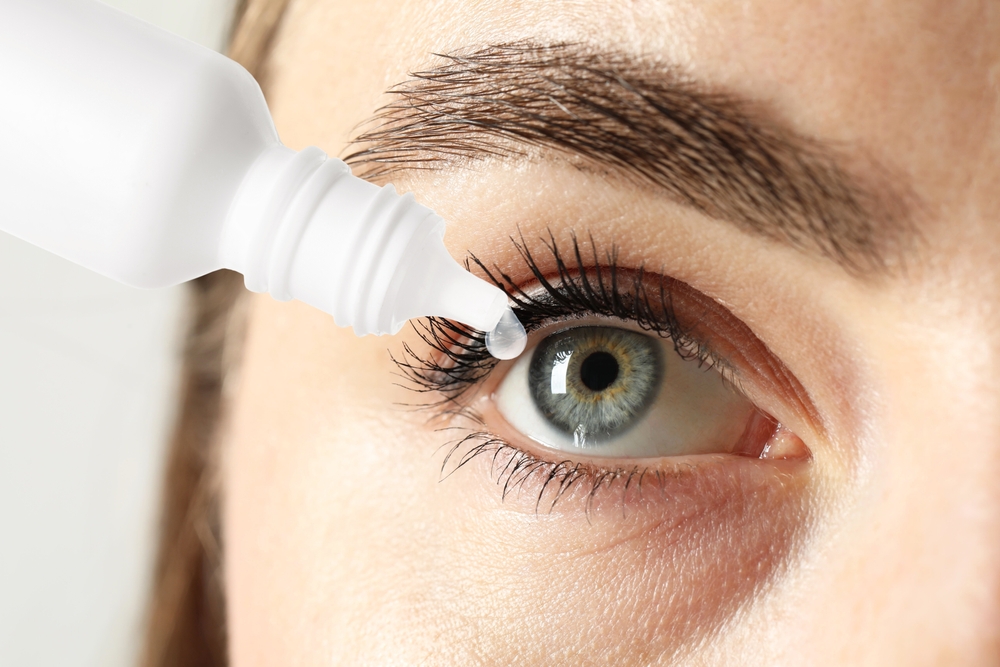
Have you ever caught yourself constantly reaching for eye drops, only to get that quick little sense of relief, then a short time later the discomfort is back again, like it never really left. Does that burning, gritty feeling make you dread screen time, or stepping outside when it’s windy? And what about the dry skin on your eyelid that just sits there, refusing to go, no matter what creams you’ve tried in your bathroom cupboard?
If this sounds even kind of familiar, then yeah, you’re not alone. Dry eye syndrome affects a massive number of Australians and Perth climate really doesn’t help because the air can get dry and breezy, so our city becomes a hotspot for this annoying condition. A lot of people shrug it off as something small, they use a few artificial tears and move on. But chronic dry eye symptoms and the signs can point to something deeper that really needs proper, professional attention.
In this article, we’re going to unpack why booking in with a specialised dry eye clinic in Perth could be the actual turning point you’ve been hoping for. You’ll learn what drives persistent dry eyes, how to tell when home remedies are just not enough, and what usually happens during a professional consultation. We’ll also cover the latest treatment options that may deliver long lasting comfort. Sound good? Let’s jump in and get stuck into it.
Understanding Dry Eye Syndrome: More Than Just Irritation
What Causes Persistent Dry Eyes?
Persistent dry eyes happen when your tear film, that protective layer coating the eye, becomes unstable, or you’re not making enough tears to keep everything lubricated. There are a few ways this can show up too. Your meibomian glands, the ones responsible for the oily layer of tears, might get blocked or just not function the way they should. Or, your eyes may simply not produce adequate tear volume to do the job.
Then there are hormonal changes, especially for many people during menopause. Some medications can also contribute, like antihistamines antidepressants and certain blood pressure tablets. And if you have an autoimmune condition like Sjögren’s syndrome, that’s another common reason worth investigating, honestly it can be a big piece of the puzzle.
Also, modern day habits don’t really do us favours. When you spend hours staring at screens, you tend to blink less. That means tears don’t spread as evenly across the eye surface. Put all of that together and it explains why dry eye complaints seem to have grown so much in recent years.
Chronic Dry Eye Symptoms and Signs You Shouldn’t Ignore
Spotting chronic dry eye symptoms and signs earlier can help stop problems from becoming more stubborn later. The classic symptoms are burning, stinging, and that gritty “sand in the eye” feeling, especially when you look around for a while or try to focus. But there are also less obvious signs that people miss.
Sometimes dry eyes can show up as watery eyes. The eye kind of panics and makes reflex tears, but these tears don’t have the right makeup to keep moisture stable. You might notice light sensitivity, blurred vision that improves a bit when you blink, and general eye fatigue. Those are red flags, so it’s worth taking them seriously.
There’s more. Many people notice it’s harder to wear contact lenses, or they struggle with tasks that need consistent visual concentration. If you’ve got any mix of these symptoms showing up regularly, it might be time to consider a professional check-up.
Why Won’t My Dry Skin on Eyelid Go Away?
That persistent dry skin on eyelid that won’t settle down often links back to dry eye syndrome. Blepharitis, which is inflammation along the eyelid margins, frequently shows up alongside dry eyes. It becomes this annoying cycle where the eyelids get inflamed, tear quality and tear production get worse, and then the eyelid inflammation continues too.
You might also be dealing with Demodex mites, tiny organisms that can live in hair follicles. They can contribute to constant eyelid dryness, irritation, and general discomfort. On top of that, environmental factors like low humidity and wind exposure can make everything feel sharper, more uncomfortable, and harder to manage.
Regular moisturisers might not work much, because they usually don’t target the underlying inflammation. Specialist care is often more effective because it aims at both the eyelid skin and the tear function together, not just the surface dryness.
Difference Between Temporary Dryness and Chronic Dry Eye
How Do I Know My Dry Eyes Are Serious-Ish
It’s normal to get dry, scratchy eyes after a long flight, or after you’ve been on the computer for ages. But when it turns into daily discomfort that hangs around for weeks, or even months, then yeah, it’s usually more than just temporary irritation. The real tell is mostly how often it happens, how long it lasts, and whether it starts messing with your day-to-day routine.
So, ask yourself, do your eyes feel unsteady often? Are the symptoms getting in the way of your job, your hobbies, or even your mood. Have over the counter drops stopped doing anything useful, like at all. If you said yes to any of those, it’s worth getting a professional look sooner rather than later.
If chronic symptoms are ignored, you can end up with corneal harm, higher infection chances, and even lasting changes to your sight. The earlier you step in, generally the better the results and the less complicated the treatment tends to be.
When Should You See a Specialist Instead of Just Using Drops
Artificial tears, especially the non-prescription ones, can help a lot when it’s mild and occasional. But they’re basically a Band-Aid, right. They calm the symptom down, yet they don’t really go after the cause. When you’re using drops more than four times a day, or when the relief only lasts a few minutes, that’s a strong sign you need specialist input.
A dry eye clinic can figure out why your tears aren’t doing what they’re supposed to do. This means your treatment can be pointed at the real issue, not just handed out as a generic fix. Kinda like how you wouldn’t keep taking paracetamol for months without checking what’s behind the headaches.
What Happens at a Dry Eye Clinic in Perth
Diagnostic Testing, Explained in A Simple Way
Walking into a dry eye clinic can feel heavy at first, but the steps are usually simple and not painful. The specialists use modern diagnostic tools to check tear quality, tear amount, and tear stability. There’s also imaging that looks at your oil producing glands, and tear break up time tests that show how fast your tear film starts to fall apart.
They may also do osmolarity testing, which checks the saltiness of your tears. Sometimes they look for inflammatory signs, and they even review how you blink. All of that together helps map what’s going on, even when you can’t see it with your own eyes.
Personalised Treatment Plans for Longer Relief
Once the testing is done, your specialist builds a customised plan for your situation. That can include therapies done in clinic, prescription medication, practical lifestyle tweaks, or a mix of these options depending on what’s driving it.
One of the best parts of personalised care is that it can adapt as you go. Follow ups help fine tune things based on your progress, so it’s not just “one solution fits everyone” and then you’re left there.
Can Dry Eyes Actually Be Permanently Cured
Okay, honest take: a complete cure isn’t always realistic, but strong management absolutely is. A lot of patients see a big drop in symptoms and get their daytime comfort back. Some kinds of dry eye, especially those linked to certain medications or specific environmental exposures, can improve or resolve fully once the trigger is handled.
For long term cases tied to meibomian gland dysfunction, treatments can often improve gland function and create more stable, lasting relief. The point isn’t perfect forever; it’s comfortable eyes that don’t control your life.
Common Dry Eye Triggers in the Australian Climate
How Perth’s Weather Plays into Eye Comfort
Perth’s Mediterranean vibe is pretty, but it can be tough on dry, delicate eyes. Hot, dry summers plus wind pretty much set the stage for faster tear evaporation. And yes, even the beaches contribute—sun glare and sea breezes can sting eyes that are already vulnerable.
Summer brings air conditioning relief, but it also strips moisture from indoor spaces. So you get this double hit, dry outdoors then dehumidified indoors, and that can put extra load on tear function.
Screen Time, Air Conditioning, And Modern Daily Habits
Beyond weather, modern life creates extra issues. Screen time keeps climbing, and your blink rate can drop by as much as 60% when you’re locked onto devices. Add office air conditioning, fluorescent lights, and low humidity, and it gets worse.
Remote work has made it even more common, lots of people end up staring at screens for longer stretches with fewer natural breaks. Knowing these triggers helps you make smarter choices for managing your eye health.
Treatment Options Available at Perth Dry Eye Clinics
In-Clinic Therapies and Advanced Technologies
Alright so modern dry eye clinics have impressive things going on. For example, Intense Pulsed Light (IPL) therapy it helps with inflammation, and it also supports meibomian gland function, in a more natural sort of way. Then there are thermal pulsation treatments, they warm things up gently and express the blocked glands, which basically gets the oil flow back to something healthy.
Lipi Flow and similar devices do targeted heat plus pressure, so the glands get unclogged, efficiently. And honestly these options are hard to beat, home treatments just can’t do the same job.
At-Home Management Strategies That Actually Work
Now professional treatment is best when you pair it with solid home care. Warm compresses used daily can help maintain gland function. Omega-3 supplements also tend to support tear composition, which is kind of the building blocks of comfort. Then there’s the environment stuff—humidifiers, placing screens at the right distance, taking frequent breaks, all that matters. It sounds basic but it can make real changes over time.
Your specialist will likely suggest particular products and routines that fit your situation, so home care doesn’t feel like guessing all the time, it becomes an actual therapy plan.
What Is the Best Treatment for Chronic Dry Eyes?
There isn’t one single “best” treatment for everyone, it depends on what’s driving the dryness. If it’s meibomian gland dysfunction, thermal treatments often end up being the most effective route. For inflammation-driven dry eye, prescription anti-inflammatory drops typically help a lot. If the issue is more about aqueous deficiency, then punctal plugs might be recommended, so tears stay around longer.
Most people do best with combo approaches, addressing several factors at once. That’s why specialist assessment matters so much, because the best path really comes down to diagnosis first, not vibes.
The Long-Term Benefits of Professional Dry Eye Care
Preventing Vision Complications and Corneal Damage
Dry eye that goes untreated doesn’t just hurt. It can cause actual problems. Your cornea depends on tears for oxygen and nutrients. When dryness becomes chronic it can cause surface damage, scarring, and then vision can get affected. Also, infection risk rises, noticeably when the tear film can’t protect like it should.
Professional management helps block those complications and keeps your long-term eye health in a safer zone.
Improving Quality of Life and Daily Comfort
And it’s not only physical stuff. Comfortable eyes genuinely change your day. Things like reading, driving, working, and even socialising become easier, less draining. Sleep quality can improve too, because you’re not constantly dealing with irritation. Plus, the mental load of constant discomfort starts to lift.
Many patients say they didn’t realise how much their eyes were bothering them until treatment helped them remember what comfort feels like again.
Taking the First Step Towards Lasting Eye Comfort
Let’s pull it all together. Dry eye syndrome is not just a small inconvenience. It’s a real medical condition that deserves proper attention. Perth’s climate plus modern daily routines create extra challenges, so professional care really is useful for locals.
When you visit a specialised dry eye clinic, you get things home remedies can’t provide proper diagnosis, targeted treatments, and follow up support. Whether you’re dealing with stubborn dryness that won’t quit, chronic symptoms that keep coming back, or that frustrating dry skin around the eyelid that won’t go away, expert help is out there.
You deserve comfortable eyes that support, not restrict your life. The first step is just booking a consultation and finding out what’s happening with your tear function. Then your future self, enjoying clear comfortable vision, will thank you for acting today. So why wait another day, when relief might be closer than you think?