Top Noise Insulation Solutions for a Quieter and More Relaxing Home
A peaceful home is one of the most important parts of a comfortable lifestyle. After a long day at work, people want to return to a space where they can relax, spend time with family, watch television, or enjoy a good night’s sleep without constant interruptions. However, unwanted noise from traffic, construction sites, neighbours, busy streets, and household activities can make it difficult to enjoy that peace.
Noise pollution is becoming an increasingly common concern, particularly in urban residential areas. Fortunately, homeowners do not always need major renovations to create a quieter indoor environment. With the right materials, improvements, and installation techniques, it is possible to reduce unwanted sound and make living spaces more comfortable.
This is where effective noise insulation solutions can make a real difference. From upgrading windows and doors to improving walls, ceilings, and flooring, several practical options can help minimise noise transmission throughout your home.
1. Upgrade Windows to Reduce Outside Noise
Windows are one of the most common entry points for external noise. Standard single-glazed windows may allow traffic sounds, street activities, and other outdoor disturbances to enter the home.
Upgrading to double-glazed windows is one possible solution. These windows feature two glass panes separated by an air or gas-filled space, which can help reduce sound transmission compared with conventional single glazing.
Other useful improvements include:
- Installing acoustic window seals.
- Using laminated acoustic glass.
- Sealing gaps around window frames.
- Choosing professionally installed secondary glazing.
- Using heavy curtains as an additional interior layer.
For homes located near busy roads, railway lines, or commercial areas, improving window performance can significantly enhance indoor comfort.
Homeowners exploring noise insulation options should consider their existing window construction before selecting a suitable solution.
2. Install Acoustic Insulation in Walls
Walls play an important role in controlling how sound travels between rooms and neighbouring properties. Thin partitions or poorly insulated wall cavities can allow conversations, television sounds, and other household noise to pass through easily.
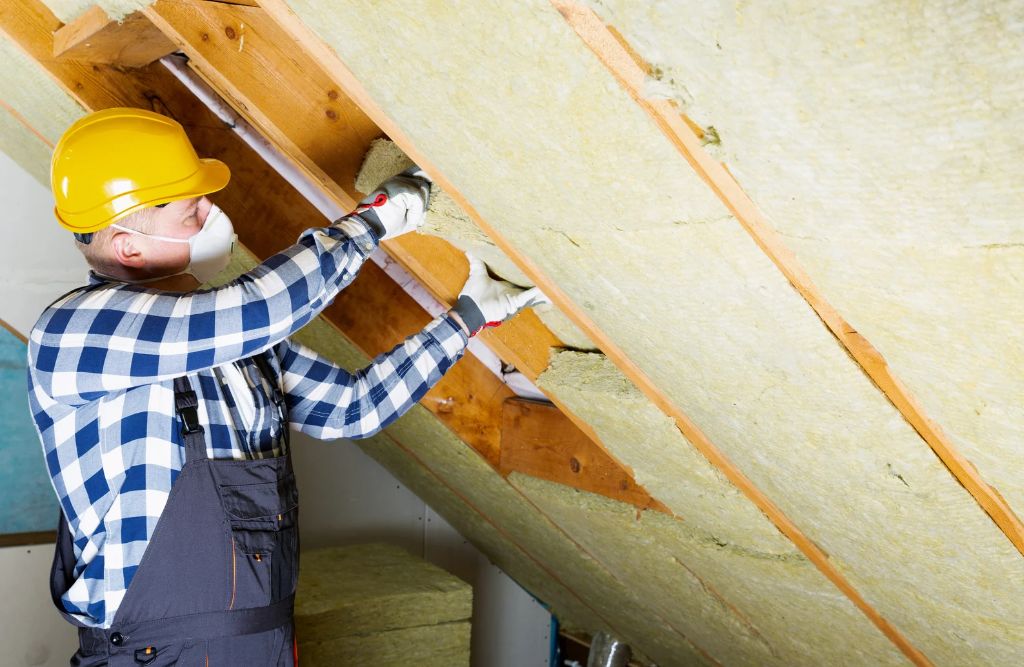
Acoustic wall insulation is designed to absorb sound energy within wall cavities and reduce sound transmission. Materials such as mineral wool and specialised acoustic insulation products are commonly used in residential construction.
There are several ways to improve wall sound performance:
Insulate internal wall cavities: Adding suitable acoustic insulation between wall studs can help reduce airborne noise travelling between rooms.
Use additional plasterboard layers: Multiple layers of plasterboard, installed with appropriate detailing, can increase the mass of a wall and improve sound isolation.
Consider resilient channels: These components help separate plasterboard from the wall framing, reducing direct vibration transmission when correctly installed.
These improvements are particularly useful for bedrooms, home offices, media rooms, and shared walls between residential units.
3. Choose Solid and Well-Sealed Doors
Doors are often overlooked when homeowners think about reducing noise. However, hollow-core doors and poorly sealed frames can allow sound to travel easily between rooms.
Replacing lightweight internal doors with solid-core alternatives can help improve sound isolation. Solid doors have greater mass, making them more effective at reducing airborne sound transmission.
It is equally important to address the gaps around the door.
Consider these improvements:
- Install acoustic weatherstripping around the door frame.
- Add a door sweep to minimise the gap underneath.
- Choose solid-core doors for bedrooms and home offices.
- Check hinges and frames for loose fittings.
- Use appropriate acoustic seals where necessary.
Even a small gap underneath a door can allow noticeable amounts of sound to pass through. Proper sealing can therefore make a useful difference without requiring extensive renovation work.
4. Use Acoustic Panels for Better Indoor Sound Quality
Acoustic panels are a popular solution for managing sound within residential spaces. They are particularly useful in rooms where sound reflections and echoes make conversations or entertainment less comfortable.
Unlike soundproofing materials, which aim to reduce sound transmission between spaces, acoustic panels primarily absorb sound reflections inside a room.
They are available in various designs, sizes, thicknesses, and finishes, making it easier to match them with different interior styles.
Acoustic panels can be installed in:
- Living rooms and entertainment areas.
- Home theatres and music rooms.
- Bedrooms and study spaces.
- Home offices and meeting rooms.
- Gaming and recording spaces.
For example, a home theatre with hard flooring, bare walls, and large windows may produce excessive sound reflections. Strategically positioned acoustic panels can help create a more balanced listening environment.
They are also available in decorative designs, allowing homeowners to improve room acoustics without compromising interior aesthetics.
5. Improve Flooring to Minimise Impact Noise
Noise does not only travel through walls and windows. Footsteps, moving furniture, dropped objects, and other everyday activities can create impact noise that travels through floors and ceilings.
This is particularly noticeable in multi-storey houses and apartment buildings.
There are several ways to minimise unwanted floor noise.
Carpets and rugs: Thick carpets and padded underlays help absorb impact sounds and reduce noise from footsteps.
Acoustic underlays: Specialised underlay materials can be installed beneath laminate, engineered timber, or other flooring systems to reduce impact sound transmission.
Cork flooring: Cork offers natural cushioning and sound-absorbing properties, making it a useful flooring option for certain residential applications.
Rubber flooring: Rubber underlays can help reduce vibrations and impact noise in selected areas.
The best choice depends on the existing floor construction, flooring material, and the type of noise you want to control.
6. Install Insulation in Ceilings
Ceilings can be another major pathway for unwanted sound, particularly in apartments and multi-level homes.
Noise from upstairs rooms, footsteps, furniture movement, and household appliances may travel through floor and ceiling structures.
Installing suitable acoustic insulation within ceiling cavities can help reduce certain types of sound transmission. Mineral wool and other acoustic insulation products are commonly used for this purpose.
For better performance, homeowners may also consider:
- Adding an additional plasterboard layer.
- Installing resilient ceiling channels.
- Sealing gaps around ceiling fixtures.
- Using suitable acoustic insulation within ceiling cavities.
However, ceiling improvements should be designed according to the building structure. Simply adding insulation may not resolve all noise problems, especially where vibrations travel through structural connections.
A professional assessment can help identify the most effective combination of materials and installation methods.
7. Seal Small Gaps and Cracks Around the Home
One of the simplest ways to improve sound isolation is to identify and seal unwanted openings.
Sound can travel through small gaps around window frames, door frames, electrical outlets, plumbing openings, and wall joints. Even when walls are well constructed, these openings can reduce their overall acoustic performance.
Acoustic sealants are designed to maintain flexible seals around suitable building joints while helping minimise sound leakage.
Pay attention to:
- Gaps around windows and doors.
- Cracks along wall joints.
- Openings around pipes and cables.
- Spaces around skirting boards.
- Gaps surrounding suitable electrical installations.
Sealing these areas is often a relatively affordable improvement. However, ventilation openings and fire-safety systems should never be blocked or modified inappropriately.
8. Use Soft Furnishings to Absorb Everyday Noise
Not every noise-reduction improvement requires construction work. Sometimes, simple changes to your interior design can make a room feel noticeably quieter.
Hard surfaces such as glass, tiles, concrete, and bare walls reflect sound. Introducing softer materials can help absorb some of these reflections.
Consider adding:
- Thick curtains and fabric blinds.
- Upholstered sofas and armchairs.
- Large area rugs.
- Cushions and fabric-covered furniture.
- Bookshelves filled with books.
- Soft decorative wall coverings.
These additions are particularly useful in living rooms, bedrooms, and open-plan spaces.
Although soft furnishings do not provide the same sound isolation as properly designed acoustic construction, they can reduce echo and improve the overall acoustic experience of a room.
9. Choose the Right Noise Insulation Solution for Your Home
Every home has different acoustic challenges. A property near a busy road may require better window insulation, while an apartment may need improvements to shared walls, ceilings, or flooring.
Before spending money on materials, identify where the noise is coming from and how it enters your living space.
Here are a few practical considerations:
Identify the noise source: Determine whether the disturbance comes from outside traffic, neighbouring properties, footsteps, or household equipment.
Understand the noise type: Airborne sounds, such as conversations and music, require different solutions from impact sounds, such as footsteps and furniture movement.
Check existing construction: Consider the type of windows, walls, doors, ceilings, and floors already installed.
Compare suitable materials: Look at acoustic performance ratings, installation requirements, durability, and maintenance.
Consider professional advice: An acoustic specialist or experienced contractor can recommend appropriate solutions based on your property’s structure.
Choosing the right noise insulation system can help avoid unnecessary expenses and deliver better long-term results.
Conclusion
A quieter home can make everyday life more enjoyable. Whether you want to sleep without traffic disturbances, work comfortably from home, or create a relaxing environment for your family, improving your property’s acoustic performance is a worthwhile consideration.
From upgrading windows and installing acoustic wall insulation to sealing gaps, improving flooring, and using soft furnishings, there are many ways to reduce unwanted noise.
The key is to understand the source of the disturbance and select solutions that address the actual problem. Combining multiple improvements often delivers better results than relying on a single product.
Investing in suitable noise insulation can help create a more comfortable living environment while supporting privacy and everyday well-being. With careful planning, the right materials, and professional installation where needed, homeowners can transform noisy rooms into peaceful spaces that are genuinely enjoyable to live in.