
Your Guide to the Top Optometrist in Doncaster Australia for Clear Vision and Healthy Eyes
Living in Doncaster and craving clear vision? The top Optometrist Blends the newest tech with local know‑how, and the crew gets the Aussie sun. So, how do you pick a Doncaster optometrist and what can they do for you? From routine eye checks to emergency care, we’ll break it down. And we’ll dive into kids’ eye health, contact‑lens fitting, plus the latest lenses for office days or weekend surf. Why does that matter for your daily grind? Quick tip: clean them right.
How to Choose the Right Optometrist in Doncaster
First off, choose a practice that proudly displays AOP or AOA accreditation, that tells you they stick to Aussie standards. And make sure the clinic has its own optical dispensary on site, so you skip a separate run to Doncaster glasses shop. Got quick online booking? In my experience, places that let you book online and pop a “Speak to our friendly team” chat on Facebook usually reply fast when you need an appointment.
First, see what they offer. A modern optometrist will do vision screening, retinal imaging and AI‑driven myopia detection, and they’ll stock frames that match the local vibe – think lightweight titanium for hot summer walks along the Ruffey Creek trail. And don’t skip the emergency eye‑care policy; a same‑day slot can quickly save you if a sand‑storm particle lands in your eye.
So, picture the practical stuff. Does the clinic accept your health fund or Medicare? A quick call to the front desk clears it up before you walk in. Look at Google or Facebook reviews, pay attention to wait‑time notes and how they treat kids or first‑timers. Got a tight frame budget? Ask if they have a price‑match guarantee or a discount on a second pair. Some places even run eye‑health workshops; attending one lets you feel the team’s vibe and see if they explain results in plain language. And if you’re nervous, how do they handle first‑time wearers? Or just call ahead to double‑check your health‑fund acceptance.
What an Optometrist Looks at During a Routine Eye Check
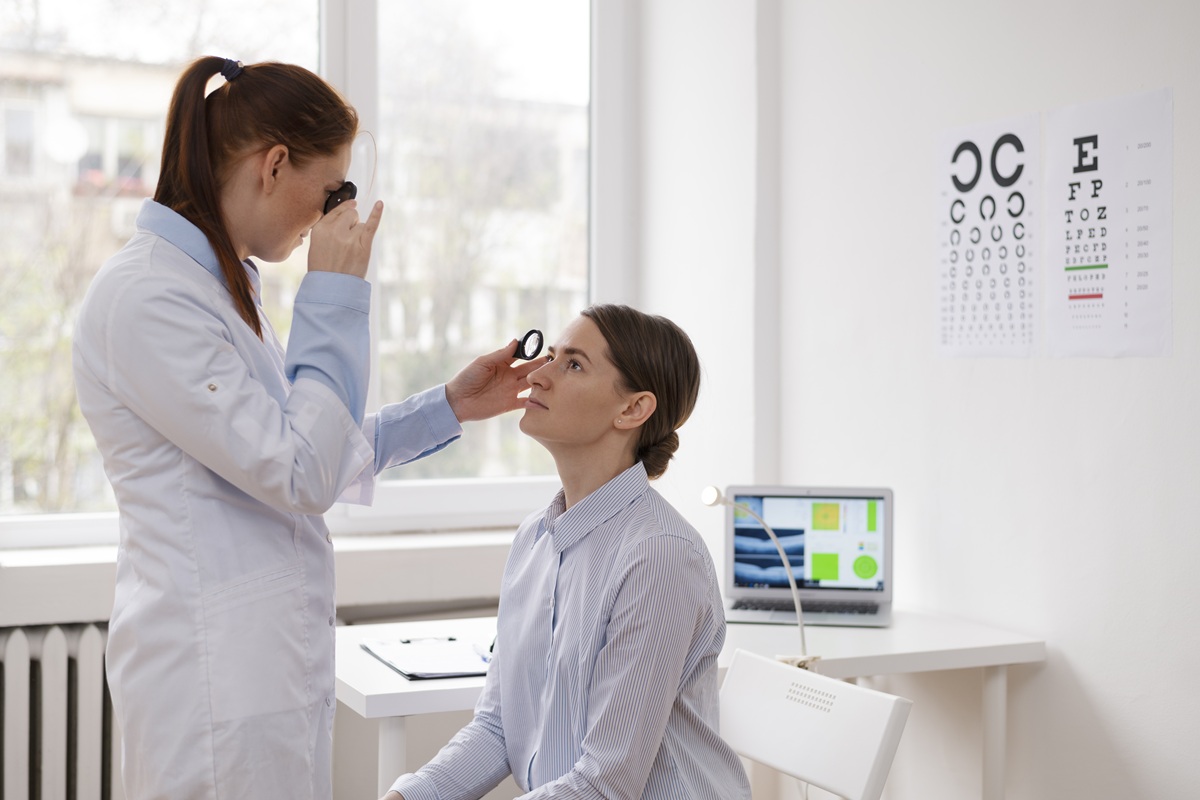
First, they hand you a short health form, quickly asking about diabetes, hypertension and any recent vision changes. Then the optometrist performs a series of tests: visual acuity, re
fraction, and a quick keratometry check to see if you need a new prescription for your glasses. And if you’re glued to a screen all day, they’ll throw in a digital eye‑strain check. Do your eyes feel tired?
First, after the basic checks the clinician whips out an OCT scanner to peek at your retina, especially if you’re over 45 or your family’s got a macular‑degeneration history. And in Doncaster the UV index’s up, so they’ll hunt for the first hints of cataracts. So what’s next? You’ll walk out with lifestyle tips: maybe blue‑light filters for gaming, or polarized lenses for a weekend sail on the Yarra.
Jot down any new symptoms, blurred spots, occasional double vision, headaches, before you step inside. Do you remember the exact day of your last eye exam? That date helps the clinician catch tiny changes that could otherwise go unnoticed. And if you’re using contacts, snag the box; it tells the eye doctor how long you’ve been on that brand and if the material’s upsetting your tear film.
First the refraction numbers land, and the practitioner breaks them down fast. And “-2.00” means you’re nearsighted; “+1.25” flags farsightedness. Notice your glasses feeling off after a few days? Don’t assume it’s set in stone, most people tweak the script after a couple weeks, especially if they’re glued to close‑up work.
When the OCT or keratometry flags early signs, the clinician builds a follow‑up schedule that matches your risk. So if a parent’s got glaucoma, you might hear back every six months; a low‑risk person can stick with an annual visit. And don’t forget to ask about simple habit shifts, like a wide‑brim hat on sunny days or cutting screen time before sleep, to protect your eyes between trips. Got any tweaks in mind?
Emergency Eye Care: When to See an Optometrist ASAP
If you notice sudden redness, a foreign object, or a sudden loss of vision, book the same‑day slot with a local optometrist. Doncaster’s clinics actually have an emergency room on site, with fluorescein staining and a slit‑lamp exam ready to go. Got eye trauma and need help fast? They’ll pop you antibiotic drops, and if it’s beyond their scope they’ll send you to an ophthalmologist.
Don’t sit on a GP; eye problems can snowball quick, especially when winter heaters dry out the room. And the optometrist will tell you about protective gear if you’re on a construction site or doing a weekend bike ride on the Greensborough Trail.
Children’s Vision Screening and Myopia Management
Kids should get a vision check at four, then again every two years until school starts. So a local optometrist in Doncaster will use a pediatric‑friendly chart and may offer orthokeratology lenses for kids whose myopia is racing ahead. And I’ve seen early treatment trim myopia growth by as much as half a diopter a year.
During the exam the clinician checks eye alignment and binocular vision, which matters if kids are glued to video games or tablets for hours. And if they catch a lazy eye (amblyopia) they’ll suggest patching or vision therapy. So they also urge more outdoor time, because Australia’s health board says at least two hours a day helps keep myopia at bay.
When you call to book, ask if they’ve got a child‑size trial frame and cartoon‑styled symbols, kids pick up familiar pictures faster. Bring any glasses your kid already wears and note things like headaches after homework or squinting at the TV. Quick home test: can they read a printed page without leaning forward? That gives the clinician a baseline and can flag early shifts. And ask the clinician to walk you through the numbers on the prescription so you know what they mean.
Contact Lens Fitting and Prescription Glasses Services
When you’re ready for contacts, the optometrist runs a lens‑fitting session that checks tear‑film and tries daily‑disposable lenses. In Doncaster a ton of clinics carry the newest silicone‑hydrogel brands, staying moist even under the scorching summer heat, making them ideal for all‑day comfort. And they’ll teach you hygiene, wash hands, use the right solution, never reuse lenses. Got it?
If you prefer glasses, ask the optometrist about high‑index lenses for strong prescriptions, or polycarbonate for impact resistance if you’re into mountain biking. Photochromic lenses are a great choice for the fluctuating light conditions on the local hills, while anti‑reflective coating reduces glare from car headlights during night drives.
Technology, Treatments and Future Trends at Your Local Optometrist
Modern optometrist offices in Doncaster are equipped with wavefront aberrometry, which maps tiny imperfections in the eye and can guide custom‑made lenses. They also use AI‑powered software to detect early signs of diabetic retinopathy during a routine check‑up. And many clinics now run a tele‑optometry service for quick prescription renewals, though a full eye exam still needs an in‑person visit.
Looking ahead to 2026, expect more smart‑glasses integrations, and some practices are already trialing gene‑therapy trials for inherited retinal diseases. The optometrist will keep you updated on emerging treatments, and they’ll help you decide if you’re a candidate for orthokeratology, LASIK or upcoming lens technologies.
Conclusion
Choosing the right optometrist in Doncaster means looking for accredited professionals, a full range of diagnostic tools, and a team that understands the local climate and lifestyle. They handle routine eye tests, children’s vision screens, emergency care, and advanced contact‑lens fitting. A solid practice keeps your eyes healthy all year. Stay on top of the latest tech. Ask the right questions. And make sure your vision stays clear whether you’re at work, on the road or at the beach. How do you check your own eyes?