How Occupational Therapy Helps Improve Daily Skills and Independence
Everyday tasks like getting dressed, preparing a meal, or writing legibly are things most people do without a second thought. For someone recovering from an injury, managing a disability, or navigating a developmental challenge, these same tasks can become genuinely difficult. Occupational therapy exists to close that gap, helping people rebuild or develop the practical skills needed to live as independently as possible, one meaningful task at a time.
What Occupational Therapy Actually Involves
Occupational therapy focuses on the everyday activities, or “occupations,” that make up a person’s daily life, from self-care and work to leisure and social participation. Rather than treating a condition in isolation, it looks at how that condition affects real, functional tasks and builds a plan around restoring or adapting them.
The Core Goal: Functional Independence
The central aim of occupational therapy is enabling people to do the things they need and want to do, as independently as possible. This might mean relearning a skill after an injury, developing a new skill for the first time, or adapting an environment so a task becomes manageable despite ongoing limitations.
Who Occupational Therapy Supports
Occupational therapy is relevant across a wide range of situations, including recovery from stroke or injury, support for children with developmental delays, assistance for people with physical disabilities, and help for those managing mental health conditions that affect daily functioning.
How an Occupational Therapist Assesses Daily Skills
Understanding the Person’s Goals and Environment
An initial assessment goes beyond clinical symptoms, exploring what a person actually needs to accomplish in their home, workplace, or school, and what specific barriers are getting in the way of those tasks.
Identifying Specific Skill Gaps
Rather than addressing daily living broadly, occupational therapy breaks activities down into specific components, such as grip strength for holding utensils, sequencing steps for cooking, or sensory processing for tolerating certain textures or environments.
Key Areas Occupational Therapy Improves
Self-Care and Personal Hygiene
Tasks like dressing, bathing, and grooming often require a combination of physical coordination, planning, and sequencing. Occupational therapy breaks these tasks into manageable steps and, where needed, introduces adaptive techniques or equipment to support independence.
Fine Motor Skills
Activities like writing, buttoning clothing, or using utensils depend heavily on fine motor control. Targeted exercises and hands-on practice help build the coordination and strength needed for these detailed movements.
Cognitive and Executive Function Skills
Skills Commonly Addressed
- Planning and organising multi-step tasks
- Memory strategies for daily routines
- Problem-solving in unfamiliar situations
- Managing time and prioritising tasks
These cognitive skills underpin far more daily activities than people often realise, from following a recipe to managing a work schedule.
Sensory Processing
For individuals who experience the world differently through touch, sound, or movement, occupational therapy helps build strategies to manage sensory input in a way that makes daily environments more comfortable and manageable.
.jpg)
Occupational Therapy Techniques and Tools
Task Modification and Adaptive Equipment
Sometimes the most effective solution isn’t relearning a task exactly as before, but adapting how it’s done. This might involve specialised utensils, dressing aids, or modified tools that make a task achievable despite a physical limitation.
Environmental Adjustments
Occupational therapists frequently assess home or workplace environments, recommending changes like grab rails, better lighting, or furniture rearrangement to reduce barriers and support safer, more independent movement.
Structured Practice and Repetition
Many skills improve through consistent, structured practice. Occupational therapy sessions often involve repeated, guided practice of a specific task, gradually increasing independence as confidence and ability grow.
Occupational Therapy Across Different Life Stages
Supporting Children’s Development
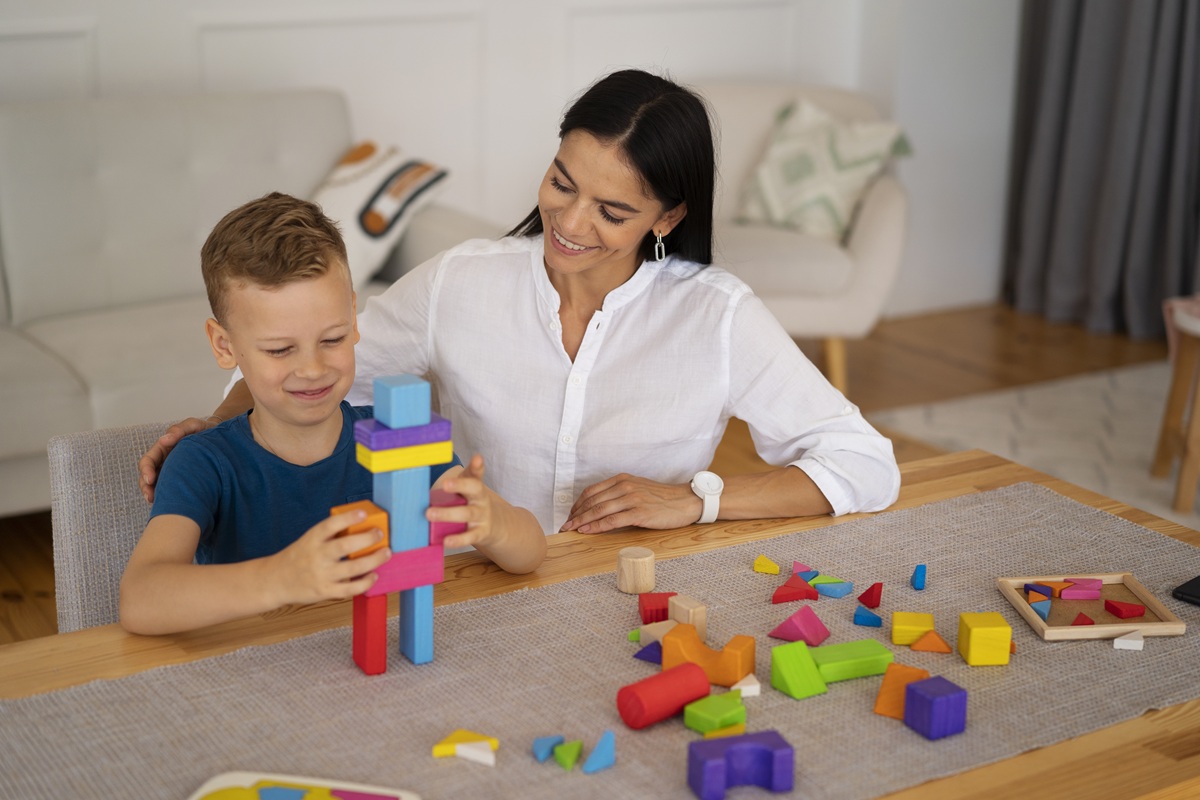
For children, occupational therapy often focuses on skills like handwriting, play-based coordination, and sensory regulation, laying the groundwork for participation in school and social activities.
Supporting Adults After Injury or Illness
Adults recovering from stroke, surgery, or injury frequently use occupational therapy to relearn tasks affected by physical or cognitive changes, with a strong focus on returning to work, home management, and independent living.
Supporting Older Adults
For older adults, occupational therapy often centres on maintaining independence and safety at home, addressing fall risks, mobility limitations, and adaptations that allow someone to remain safely in their own home for longer.
Measuring Progress in Occupational Therapy
Setting Specific, Functional Goals
Progress is typically measured against specific, real-world goals, such as being able to prepare a simple meal independently or dress without assistance, rather than abstract clinical benchmarks alone.
Adjusting the Plan Over Time
As skills improve or circumstances change, occupational therapy plans are regularly reassessed and adjusted, ensuring the support provided continues to match the person’s evolving needs and goals.
Final Thoughts
Occupational therapy is ultimately about restoring the ability to participate fully in everyday life, whether that means relearning a task, adapting how it’s done, or building a new skill from the ground up. By focusing on real, functional goals rather than treating a condition in the abstract, it offers a practical, deeply personal path back to independence for people at every stage of life.