
Why Early Dental Care Matters for Growing Children
A child’s smile changes quickly during the early years. Baby teeth appear, jaws develop, permanent teeth begin forming, and everyday habits gradually become part of a child’s routine. Because so much is happening, dental care should not be something families postpone until a problem appears.
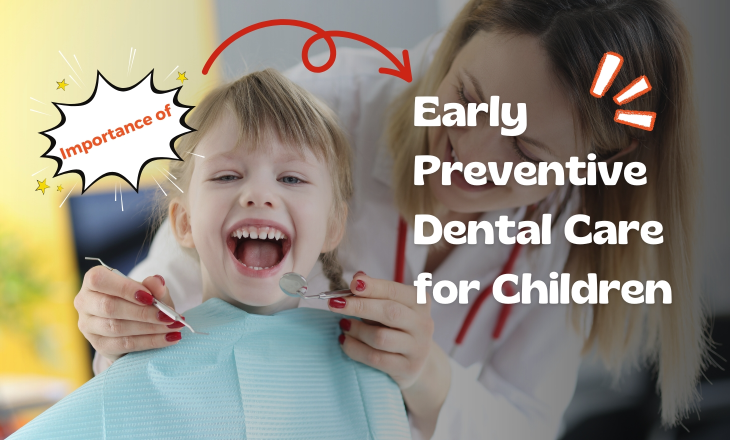
Early dental visits give parents an opportunity to understand how to care for their child’s teeth and help children become comfortable with dental appointments. They also give dental professionals a chance to identify developing concerns before they become more difficult to manage.
For families in Cudahy, making oral health part of childhood care can support healthy habits that continue well beyond the early years. Regular brushing at home is essential, but professional dental care also has an important place in a child’s overall routine.
Dental Health Starts Before the Permanent Teeth Arrive
One common misconception is that baby teeth do not require much attention because they eventually fall out. In reality, primary teeth play several useful roles while a child is growing.
Baby teeth help children chew food, support clear speech development, and maintain space for permanent teeth that will eventually replace them. When a primary tooth develops decay or becomes damaged, it can affect a child’s comfort and daily routine.
That is why dental care should begin while children still have their first set of teeth. Parents do not need to wait until the permanent teeth appear before taking oral health seriously.
Baby Teeth Need Protection Too
Young children can be particularly vulnerable to tooth decay because they are still learning how to brush effectively and may consume snacks and drinks throughout the day. Parents often need to supervise brushing and help children reach areas they may miss.
As children become more independent, teaching them why brushing matters can be just as useful as telling them to brush. The goal is to gradually turn oral hygiene into something they understand rather than a task they only complete because an adult reminds them.
Early Visits Help Children Become Comfortable With Dental Care
A child’s first experiences with a dental office can influence how they feel about future appointments. When visits begin before there is a painful problem, children can become familiar with the environment, sounds, people, and routines associated with dental care.
This can be especially helpful for children who are naturally nervous in unfamiliar settings. A routine visit can feel very different from arriving at a dental office with a painful tooth that needs immediate attention.
Parents can support this process by using calm, positive language when talking about dental appointments. Avoiding frightening descriptions and presenting the visit as a normal part of staying healthy can help children develop a more comfortable attitude toward dental care.
Familiarity Can Make Future Visits Easier
A child who has visited the dentist several times may already know what to expect when they sit in the dental chair. They may recognize common steps such as having their teeth examined, receiving a cleaning, or talking with the dental team.
That familiarity does not guarantee that every child will feel completely relaxed, but it can remove some of the uncertainty surrounding a new experience.
Regular Checkups Can Catch Problems Early
Children’s teeth can change quickly, which makes preventive monitoring valuable. A routine dental checkup allows a dental professional to look for signs of tooth decay, gum concerns, enamel problems, bite development, and other changes.
Finding a concern early may give parents more treatment options than waiting until the child develops significant pain or discomfort. It can also make it easier to understand what is happening as permanent teeth begin to emerge.
Regular appointments are not only about looking for cavities. They are an opportunity to monitor the child’s overall oral development and reinforce good habits at home.
Prevention Is Easier When Parents Know What to Watch For
Parents may not always notice early dental problems because children can have difficulty explaining what they are feeling. A child might simply avoid chewing on one side, become irritable during meals, or complain occasionally about a tooth.
Professional examinations provide another layer of observation. A dentist can identify changes that may not be obvious during everyday brushing.
Children Learn Healthy Habits Through Repetition
Dental care is largely built through small actions repeated over time. Brushing twice a day, cleaning between teeth when appropriate, choosing tooth-friendly foods, and visiting the dentist regularly all become easier when they are established as normal parts of family life.
Parents have a major influence on this process. Young children learn by watching the adults around them, so seeing parents take their own oral health seriously can reinforce the message that dental care is a normal part of personal hygiene.
Make Brushing Part of the Daily Routine
A consistent schedule can make brushing easier for children. For example, brushing can become connected to getting ready for school in the morning and preparing for bed at night.
Younger children may need an adult to brush their teeth or finish the job after the child has attempted it independently. As their coordination develops, parents can gradually give them more responsibility while continuing to supervise.
Diet Also Plays a Role in Children’s Oral Health
What children eat and drink can affect their teeth. Frequent exposure to sugary foods and drinks can increase the risk of tooth decay, particularly when good brushing habits are not established.
This does not mean children can never enjoy treats. Instead, families can focus on balanced eating habits and avoid allowing sugary snacks and drinks to dominate the child’s daily routine.
Water can be a simple everyday beverage choice, while regular meals can include a variety of nutritious foods. Parents can also pay attention to sticky snacks that may remain on the teeth for longer periods.
Healthy Habits Extend Beyond Brushing
Good oral health is not created by toothpaste alone. Brushing, cleaning between teeth, balanced nutrition, regular dental visits, and appropriate dental habits all work together.
Teaching children this broader concept can help them understand that taking care of their teeth is something they do throughout the day, not only for a few minutes while standing at the bathroom sink.
Early Dental Care Can Help Identify Developing Bite Concerns
As children grow, their jaws and teeth change. Permanent teeth gradually replace primary teeth, and the way the upper and lower teeth come together can change as well.
A dentist can monitor these developments during regular visits. If something appears unusual, parents can be informed about whether observation is appropriate or whether further evaluation may be useful.
This does not mean every child needs orthodontic treatment. It simply means that tracking dental development allows potential concerns to be recognized rather than overlooked.
Losing Baby Teeth Is Part of a Larger Process
Loose teeth, gaps, and changes in the appearance of a child’s smile can be normal parts of growing up. However, parents may not always know whether a particular change is expected.
Regular dental visits give families an opportunity to ask questions about tooth eruption, spacing, loose teeth, and the appearance of new permanent teeth.
What Pediatric Dental Care Can Teach Parents
Parents often receive plenty of advice about feeding, sleeping, development, and general childhood health, but dental care can sometimes receive less attention during the early years.
Pediatric dental care in Cudahy can help families understand practical issues such as age-appropriate brushing, cavity prevention, dental development, and when a child should receive an examination.
The purpose is not simply to treat problems. Education is an important part of helping parents make informed decisions about their child’s oral health.
Every Child’s Dental Needs Can Be Different
Two children of the same age may have very different dental experiences. One may have excellent brushing habits, while another may struggle with plaque or frequent snacking. Some children may have previous dental concerns, while others may simply need routine monitoring.
For this reason, dental recommendations should be based on the individual child rather than a one-size-fits-all schedule or assumption.
When Should Parents Consider a Dental Visit?
Parents should not wait for severe tooth pain before seeking dental advice. A child who has persistent sensitivity, visible discoloration, swelling, a broken tooth, bleeding gums, or pain while eating should be evaluated.
Changes in behavior can also be worth noticing. If a child suddenly avoids certain foods, chews differently, wakes frequently because of discomfort, or repeatedly touches a particular area of the mouth, these signs may deserve attention.
For families looking for children’s dental services in Cudahy, the most useful approach is to view dental care as both preventive and responsive. Routine appointments help maintain oral health, while prompt visits address problems that arise between checkups.
Parents Should Know What a Dental Appointment Can Involve
A child’s appointment does not necessarily look exactly like an adult dental visit. The approach may be adapted to the child’s age, comfort level, dental development, and ability to cooperate.
A dental professional may examine the teeth and gums, discuss brushing and nutrition, and assess the development of the mouth. Cleaning and other preventive services may be recommended depending on the child’s needs.
The experience should be appropriate for the child’s stage of development rather than treating every young patient in exactly the same way.
Communication Matters
Children often have questions about what will happen at the dentist. Giving them simple, honest answers can help them feel more prepared.
Instead of promising that a visit will involve “nothing uncomfortable,” parents can explain that the dental team will look at their teeth and tell them what is happening. This gives children realistic expectations without unnecessarily creating fear.
Finding the Right Dental Provider for Your Family
Choosing a dental provider is about more than finding the closest office. Parents may want to consider whether the practice is comfortable working with children and whether the dental team communicates clearly with both parents and young patients.
A family dentist in Cudahy can be a convenient option for households that want dental care available for different members of the family. Having a familiar dental office can also make it easier for children to view appointments as a normal part of family health care.
When searching online for a Dentist for Childrens, parents should look beyond the wording of a website and consider the provider’s approach to communication, preventive care, and children’s individual needs.
Dental Emergencies Still Require Prompt Attention
Even children who receive excellent preventive care can experience dental injuries. Falls, sports accidents, and other everyday activities can result in chipped, cracked, or displaced teeth.
If a child experiences a significant dental injury, parents should contact a dental professional promptly. A damaged tooth may need evaluation even when the child initially seems comfortable.
Parents should also seek prompt advice if a child develops significant swelling, severe tooth pain, or other symptoms that suggest an urgent dental problem.
Early Care Can Shape a Child’s Long-Term Attitude Toward Oral Health
There is a difference between teaching a child to brush because they have to and helping them understand why taking care of their teeth matters.
Children who grow up with regular dental routines may become more familiar with the connection between daily habits and oral health. They also have opportunities to learn how food choices, brushing, dental visits, and personal hygiene affect their teeth.
Those lessons can remain useful as children become teenagers and eventually take complete responsibility for their own dental care.
Parents Still Have an Important Role
Even as children become more independent, parents can continue encouraging good habits. Reminders, regular appointments, healthy household routines, and positive reinforcement can all help.
The objective is not to supervise every brushing session forever. It is to gradually give children the knowledge and skills they need to care for their own teeth.
A Simple Dental Routine for Growing Children
A practical routine does not need to be complicated. Families can focus on a few consistent habits:
- Brush teeth regularly using an age-appropriate toothbrush and fluoride toothpaste as recommended by a dental professional.
- Help younger children brush areas they cannot clean effectively themselves.
- Clean between teeth when appropriate.
- Encourage balanced meals and limit frequent sugary snacks and drinks.
- Schedule regular dental visits.
- Contact a dentist when a child experiences unusual pain, swelling, injury, or other concerning changes.
- Encourage children to protect their teeth during activities where dental injuries are possible.
Consistency matters more than creating a complicated routine that is difficult for the family to maintain.
What Parents Can Do Between Dental Visits
Dental care does not stop when the child leaves the dental office. The days between appointments are when most oral-health habits take place.
Parents can keep an eye on brushing technique, look for visible changes in the teeth, and pay attention to complaints about sensitivity or discomfort. They can also make sure dental care remains part of the child’s normal schedule even during holidays, vacations, or busy school periods.
If something seems unusual, parents do not need to wait for the next scheduled appointment to ask a dental professional for advice.
Building a Positive Relationship With Dental Care
Children do not need to be completely fearless at the dentist for dental care to be successful. What matters is gradually helping them understand that dental visits are a normal part of looking after their health.
Starting early gives children more opportunities to become familiar with dental professionals and routine examinations. It also gives parents repeated opportunities to learn how their child’s teeth are developing and what changes may require attention.
For families in Cudahy, choosing a consistent approach to preventive care can make children’s oral health easier to manage as they grow.
Final Thoughts
Early dental care is about much more than treating cavities. It gives children a foundation for healthy oral hygiene, allows developing teeth to be monitored, and helps parents recognize potential problems before they become more complicated.
Baby teeth deserve attention because they support important functions during childhood, while regular professional visits provide an opportunity to monitor the transition toward permanent teeth. At home, consistent brushing, thoughtful food choices, and parental supervision remain equally important.
Families searching for children’s dental services in Cudahy can make preventive care part of a child’s normal health routine rather than waiting until discomfort forces a visit. With regular examinations, appropriate home care, and guidance from a dental professional, children can gradually develop habits that support their smiles throughout childhood and into adulthood.