How Preschool Near Box Hill Builds Strong Foundations for Lifelong Learning
Have you ever had that thought, like, just how much those early years really do matter? I mean, what if the stuff your child gets to experience before primary school is quietly setting the tone for everything that comes after. And there’s the real question—how do you pick the right preschool Box Hill families can genuinely trust, you know, to give their little ones the best start, even if it feels a bit overwhelming at first?
Here’s the thing though, early childhood education isn’t only about holding everyone busy while parents are at work. It’s actually about laying down the building blocks, the kind you can’t really see right away, but they’re there. Things like social skills, plus problem-solving abilities, form in those early years and then, somehow, they stick around. When kids have quality early learning experiences they tend to become confident, curious learners, and not the type that just tolerate learning, but the ones that genuinely enjoy discovering new things.
In this guide, we’ll look at what makes a top Box Hill childcare centre stand out, how play-based learning can shape young minds, and what parents should pay attention to when choosing an early learning Box Hill option. If you’re already comparing places like Brightly Early Learning Box Hill, Papilio Early Learning Box Hill, or other local centres, this will give you practical pointers so you can make a proper decision. Alright, let’s jump in.
What Makes a Quality Preschool in Box Hill Stand Out?
The Hallmarks of Excellent Early Learning Centres
Not all childcare centres are really the same. The best Box Hill early learning centre options tend to share a few standout traits. Start with a warm, nurturing vibe, where children feel safe, and kind of “seen” by the educators. Kids learn better when they’re comfortable and secure, no distractions, no extra stress.
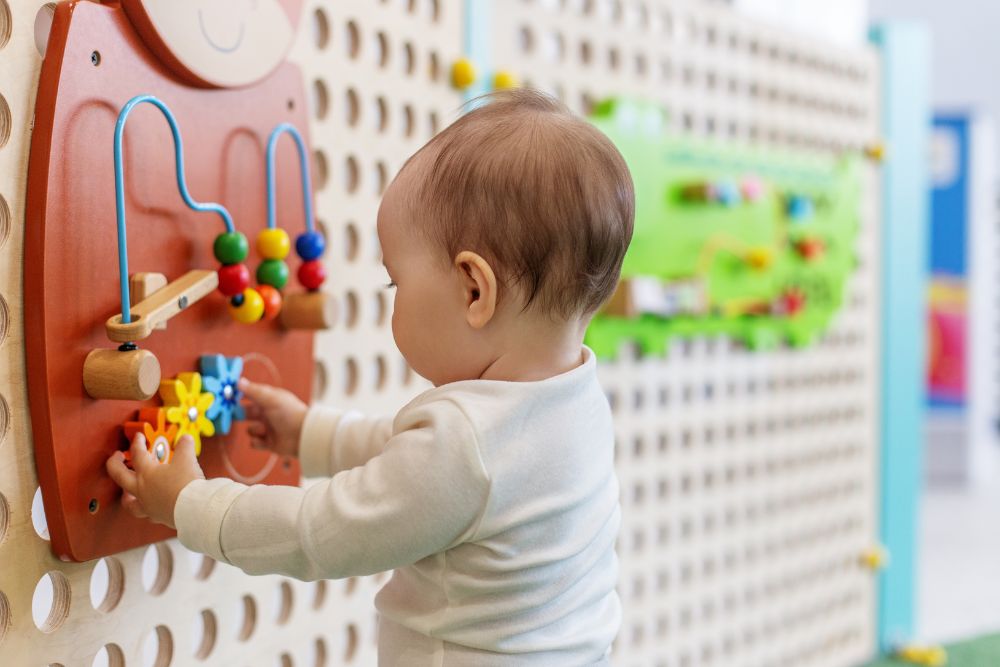
Then there are the spaces. Great centres provide engaging areas indoors as well as outdoors. Think natural items, open-ended play equipment, and zones that invite exploration. You might not expect it, but the physical environment has a big effect on how children interact and “get into” learning.
Also, strong communication with families matters a lot. When centres share regular updates, hold parent-teacher chats, and keep an open-door approach, it usually means they’re serious about working as a team with parents.
Understanding the Australian Early Years Learning Framework
Every registered Box Hill early learning childcare centre & kindergarten works under the Early Years Learning Framework (EYLF). This is a national framework that supports children’s learning from birth to age five. It centres on five key outcomes: identity, community, wellbeing, learning, and communication.
The EYLF also puts play-based learning front and centre. It isn’t worksheets, and it’s not memorisation drills. It’s more about meaningful experiences that help kids build real understanding over time. So, when you visit a **kindergarten Box Hill** facility, ask how the team uses the EYLF during everyday routines.
How Does Preschool Prepare Children for Lifelong Learning?
Developing Social and Emotional Skills
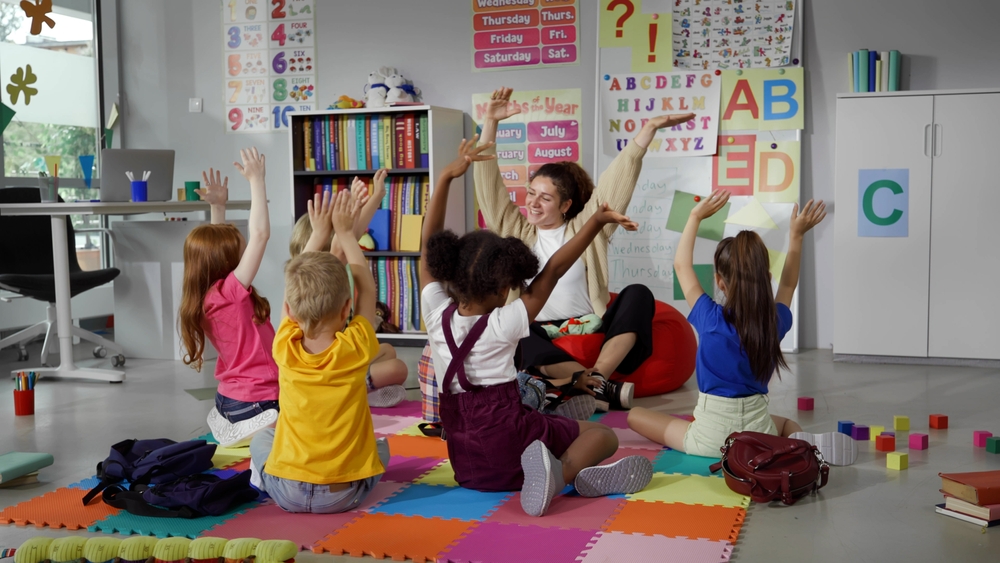
A preschool helps children manage relationships, which is honestly one of the biggest wins. In a Box Hill childcare setting, kids practise sharing, taking turns, and working through disagreements. Those social habits become the base for success later at school, and beyond.
Emotional regulation is another major skill kids develop during these years. Children start naming feelings, expressing them in appropriate ways, and coping when things don’t go as planned. At high-quality centres, educators guide children through those big emotions with calm patience, not judgement.
Friendships often happen naturally too, especially in group settings. Children learn empathy through daily interactions with peers from many backgrounds and with different views of the world.
Building Cognitive Foundations Through Play-Based Learning
Play isn’t just “fun” although, sure, it is fun. It’s brain work, the good kind. When children get involved in imaginative play, they build language skills, strengthen problem-solving, and expand creative thinking. A quality childcare centre Box Hill should understand this, and set up the day so meaningful play is built in, not squeezed in.
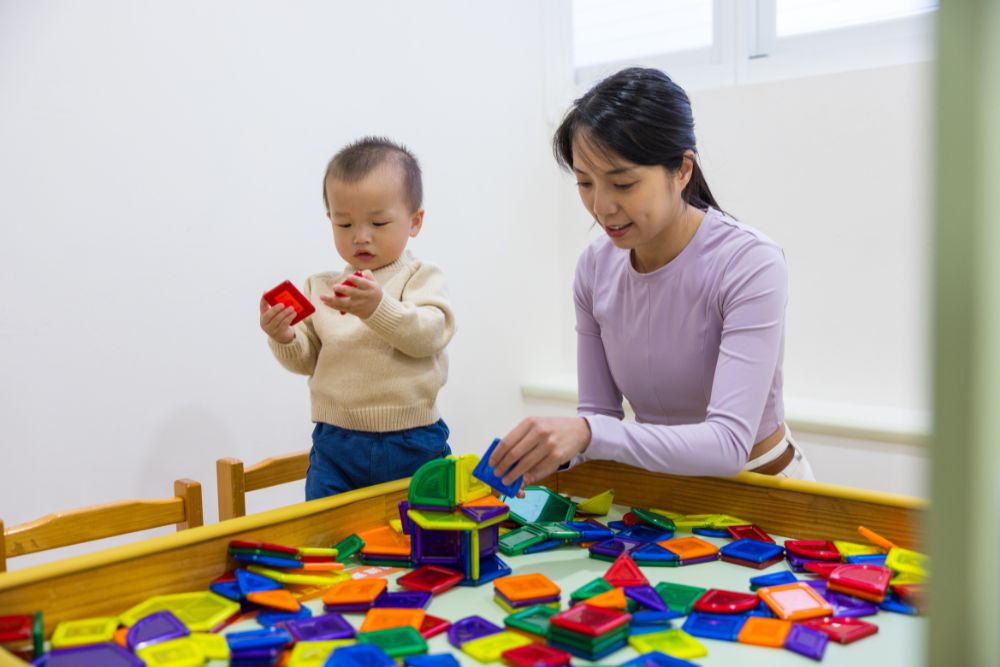
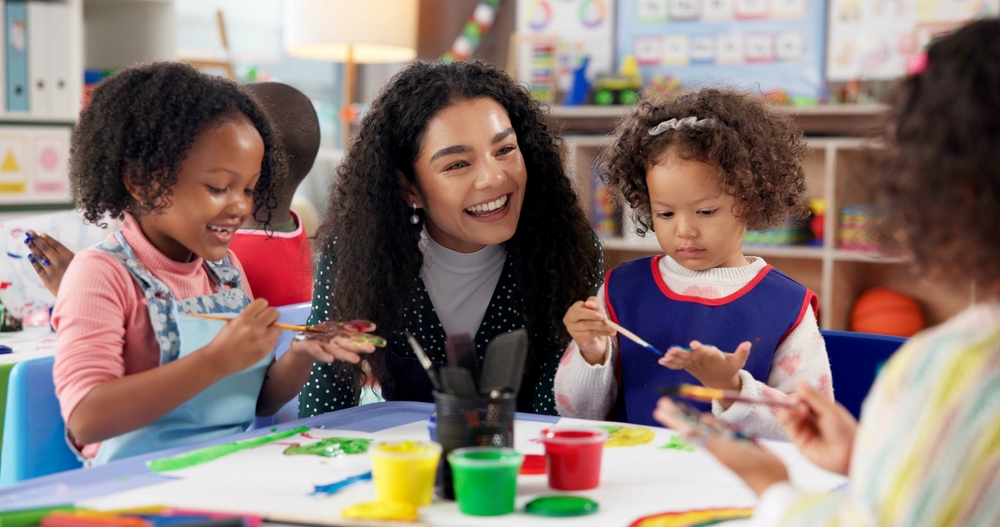
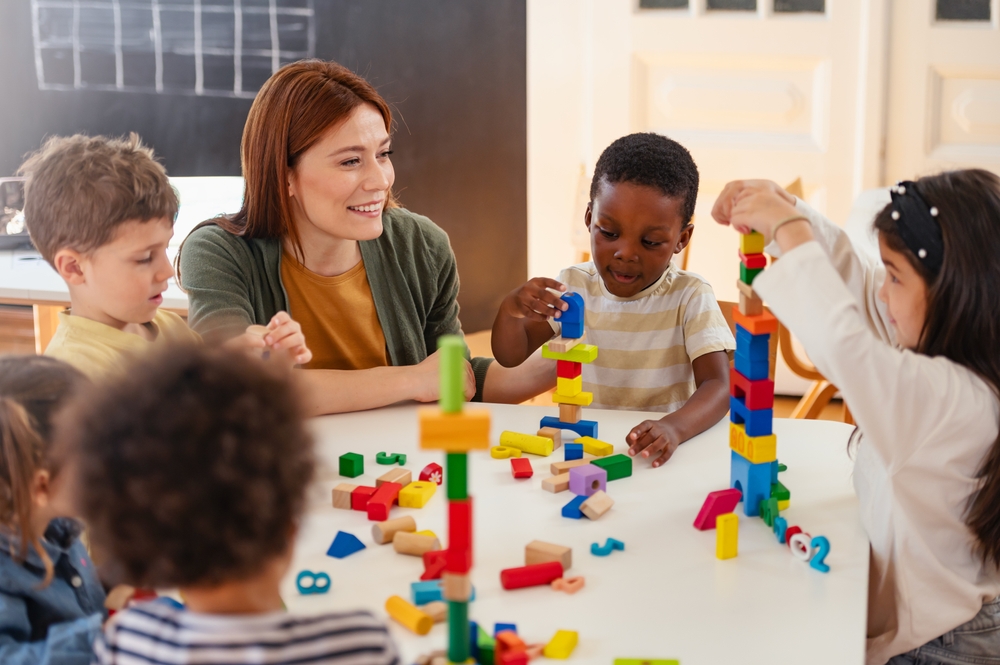
Block play supports spatial awareness and early maths ideas. Dramatic play builds language, plus social understanding. Art tasks help fine motor skills and self-expression. And the best part is that these activities aren’t random. They’re planned by skilled educators with a clear developmental purpose.
Play-based learning also has a “quiet advantage”—children are often naturally motivated. They’re not learning because they have to, they’re learning because they want to.
Encouraging Curiosity and a Love of Discovery
The best preschools support kids’ natural curiosity, rather than shutting it down. If a child asks “why?” a hundred times a day, quality educators usually see it as an opening, not an inconvenience. They encourage questions, and they help children work through answers.
Nature-based learning can be especially good for sparking that curiosity. Many Box Hill childcare centre choices include outdoor exploration, gardening, and environmental awareness in their programmes. These experiences connect children to the world right around them, and not just in a “textbook” way.
The role of educators in Box Hill childcare settings
How qualified staff shape your child’s development
Educators are the core of any early learning centre. In Australia, lead educators need at least a Diploma of Early Childhood Education and Care, while educational leaders require a bachelor’s degree. These qualifications matter because they help educators understand child development in a deeper, steadier way.
Strong educators watch children closely, noticing interests, little strengths, and where they might grow next. Then they use those observations to plan experiences that extend learning. Beyond that, the best educators build real relationships, so each child feels recognised and worth something, not like an anonymous face in a room.
The importance of low educator-to-child ratios
Ratios affect the quality of care more directly than people sometimes expect. Australian regulations set baseline minimums: one educator for every four babies, one for every five toddlers, and one for every eleven preschoolers. That said, many top centres go beyond the minimum.
When ratios are lower, educators can give more individual attention. They have the time to encourage learning, support children when they’re upset, and genuinely learn each little person in their care.
What Age Should Children Start Preschool?
Readiness Signs to Watch For
Most children end up starting some kind of early learning between two and four years old, but it is not this exact, magic rule or anything. You’ll usually notice readiness when your child seems curious about other children, and they can handle separating from you (even if its a bit wobbly at the start). Also, basic self-help stuff matters too, like managing snack times and feeding themselves without too much drama.
Of course, every child does things differently. Some seem to do really well in group settings early on, while others may need more one-on-one, quieter time at home first, you know, before jumping into a larger room full of kids.
Benefits of Starting Early at a Box Hill Early Learning Childcare Centre & Kindergarten
There’s a lot of research that keeps pointing in the same direction: quality early childhood education really helps kids in multiple ways, not just one track. Early starters often show stronger language skills, more confident social skills, and smoother shifts into primary school.
Plus, starting early gives children more chances to build relationships with educators and other kids before that big move to school, and that can make a noticeable difference later.
How Do Box Hill Preschools Support Transition to Primary School?
School Readiness Programs Explained
Good centres usually run school readiness programmes in the year right before kids begin primary school. They’re typically aimed at things like identifying letters and numbers, following multi-step directions, and learning how to work independently for short periods.
But honestly, the less obvious skills matter too, like staying seated for a little while, handling their own belongings, and knowing how to ask for help instead of shutting down. Those small habits add up fast.
Building Independence and Confidence
Transition programmes are designed to help children feel safer and more confident about school. A lot of centres organise visits to nearby primary schools, or they invite prep teachers to come in and spend time with the kids at the centre.
These experiences make the whole “school idea” feel less intimidating, more like something familiar, and maybe even… interesting.
Investing in Your Child’s Future Through Early Learning
Picking the right preschool Box Hill option is, like, one of the biggest parenting decisions you’ll ever make. Those early experiences kids get really can set the whole tone for what happens next, you know—academically, socially, and emotionally. So yeah, it’s kind of a big deal, even if it doesn’t feel like it at first.
So, take your time while you’re researching. Look at box preschool spaces, go through Brightly Early Learning Box Hill, or just compare a couple other local centres as well. Try to visit more than one place, ask lots of questions, and kind of trust your instincts about what sort of setting feels settled, protected, and right for your child.
Your little one deserves the best start possible. When you choose a quality Box Hill childcare centre, you’re basically handing them that strong groundwork for a life of learning, growing, and really thriving. And honestly, what matters more than that?