How an Organized Kitchen Can Improve Everyday Home Living
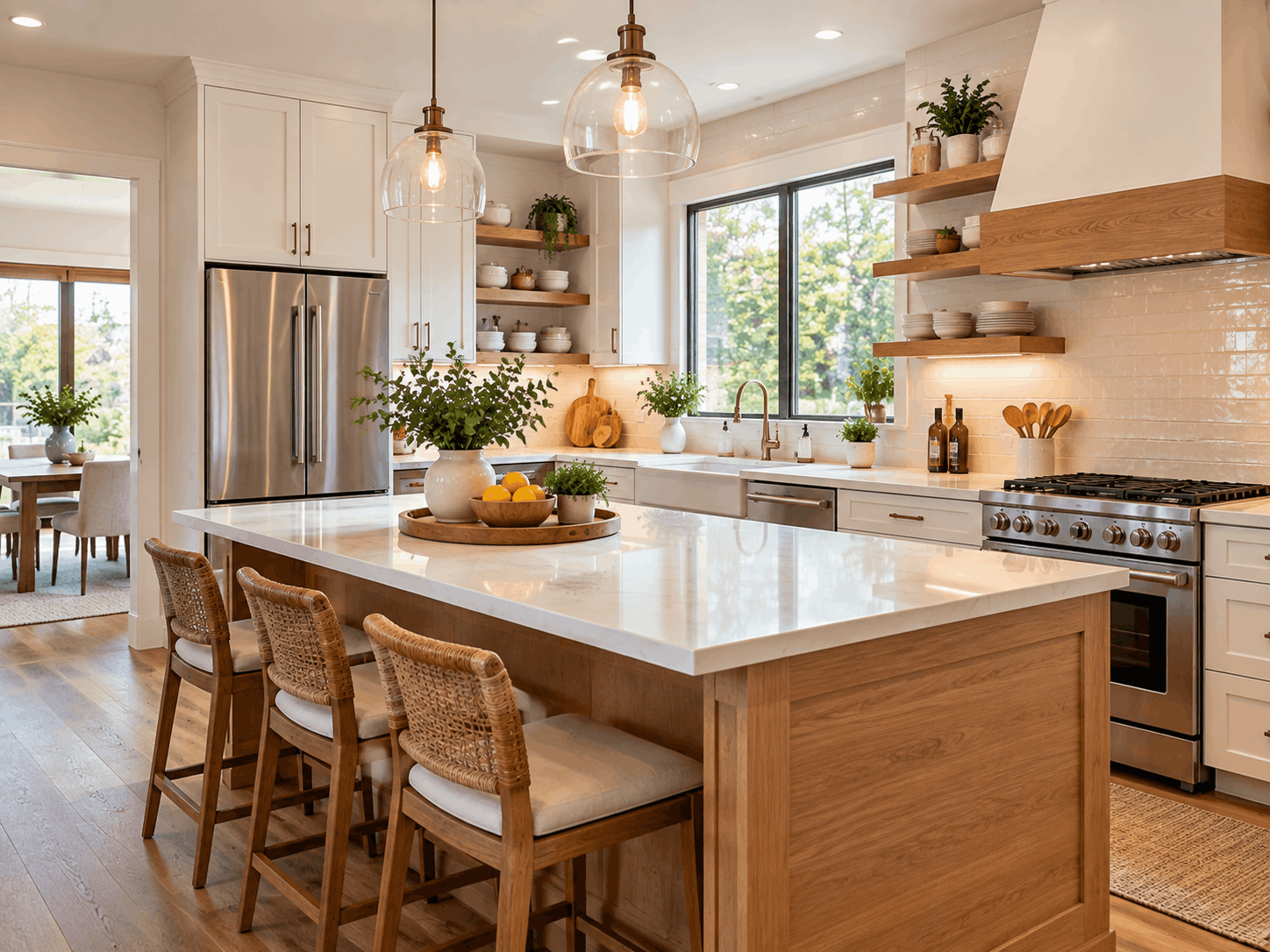
The kitchen is one of the most important spaces in a home. It is where meals are prepared, conversations happen, and many daily routines begin. Because of this, a well-designed kitchen can have a major impact on how comfortable, organized, and efficient a home feels. A functional kitchen is not only about having beautiful surfaces or modern appliances. It is about creating a space where everything has a purpose and where everyday tasks become easier. When storage, layout, and organization work together, the kitchen becomes a place that supports healthier habits and a more balanced lifestyle.
Many homeowners are now looking beyond temporary design trends. They want spaces that are practical, durable, and created around their real needs. A thoughtful kitchen design can help reduce clutter, improve organization, and create a more enjoyable environment for the entire family.
Why Kitchen Organization Matters for Everyday Living
A disorganized kitchen can make simple activities feel more difficult. Searching for ingredients, moving items between crowded cabinets, or managing limited counter space can create unnecessary stress. Good organization starts with understanding how the kitchen is used. Frequently used items should be easy to access, while seasonal or rarely used items can be stored in less convenient areas.
When everything has a dedicated place, homeowners spend less time managing clutter and more time enjoying the space. Organized storage also helps prevent unnecessary purchases because people can easily see what they already have. A kitchen designed around daily habits creates a smoother routine. Whether preparing a quick breakfast or cooking a family meal, the right layout can make each activity feel easier.
Creating a Kitchen That Supports Sustainable Habits
Sustainable living often begins with small choices made at home. A well-planned kitchen can support these choices by encouraging better organization and reducing waste. When food storage is organized properly, ingredients are easier to find and less likely to be forgotten. This can help reduce unnecessary food waste. A functional kitchen can also make cooking at home more convenient, which may encourage healthier meal preparation.
Storage planning also plays an important role. Instead of collecting unnecessary items because existing supplies are difficult to locate, homeowners can create clear systems for food, cookware, and household essentials.
A sustainable kitchen is not only about using eco-friendly materials. It is also about creating a space that remains useful for many years.
The Importance of Choosing Practical Storage Solutions
Storage is one of the biggest factors that influences kitchen functionality. Even a large kitchen can feel uncomfortable if storage is not planned properly. Cabinets should match the homeowner’s lifestyle. Someone who cooks frequently may need more space for cookware and preparation tools, while another household may prioritize areas for appliances, snacks, or pantry items.
Modern storage solutions can help maximize available space while keeping the kitchen organized. Choosing modern kitchen cabinets can create a cleaner layout with practical storage features that support everyday routines.
The goal is not simply to add more storage. The goal is to create storage that makes sense for how people actually use their kitchen.
Designing Around Real Family Needs
Every household has different requirements. A family with children may need accessible areas for snacks and daily dishes. Someone who enjoys cooking may need additional preparation space and organized cookware storage.
Before making improvements, homeowners should consider questions such as:
- Which items are used every day?
- Where does clutter usually collect?
- Which areas feel difficult to access?
- What changes would make daily tasks easier?
These questions help create a kitchen that reflects the people who use it. A beautiful kitchen should also be comfortable. The best designs combine appearance with practical features that improve daily life.
How Better Layouts Improve Kitchen Efficiency
The placement of different kitchen areas affects how easily people move through the space. A good layout creates a natural flow between food storage, preparation, cooking, and cleaning areas.
For example, ingredients should be stored close to preparation areas, while cookware is often more useful near the stove. Cleaning supplies and dishes should also have logical locations.
When these areas are arranged properly, unnecessary movement is reduced. Cooking becomes more enjoyable because the tools and ingredients needed for each task are within reach. Small improvements in layout can create a noticeable difference in how a kitchen feels.
Investing in Long-Term Kitchen Improvements
Kitchen upgrades are a long-term investment. Instead of focusing only on short-term appearance, homeowners should consider how the space will function years into the future.
Durable materials, efficient storage, and flexible layouts can help a kitchen remain useful as household needs change. For homeowners planning a larger transformation, custom cabinetry can provide solutions designed around available space, storage requirements, and personal preferences. This allows the kitchen to be created around the homeowner’s lifestyle instead of forcing daily routines to fit an unsuitable design.
Long-term planning can also reduce the need for frequent replacements, making the kitchen more practical and sustainable over time.
Reducing Clutter Through Better Planning
Clutter often develops when storage does not match the number of items a household owns. Countertops become crowded when appliances, containers, and cooking supplies do not have a proper place. A thoughtful organization system can help solve this problem. Grouping similar items together makes them easier to find and return after use.
Simple habits can also improve kitchen organization:
- Keep frequently used items within easy reach.
- Store similar products together.
- Avoid keeping unused items that take valuable space.
- Review storage needs regularly.
These small steps can help maintain a cleaner and more functional kitchen.
Creating a Comfortable Gathering Space
The kitchen is often more than a place for cooking. It can be a space where family members connect, children complete activities, and guests spend time together. A well-designed kitchen should support these interactions. Comfortable movement, organized storage, and open areas can make the room feel more welcoming.
When a kitchen is easy to use, people naturally spend more time there. It becomes a central part of the home rather than just a functional area.
Balancing Beauty With Functionality
A successful kitchen design balances visual appeal with practical use. Colors, materials, and finishes contribute to the overall atmosphere, but functionality determines how enjoyable the space will be. A kitchen should reflect personal style while still supporting everyday activities. Storage should be convenient, surfaces should be easy to maintain, and the layout should encourage comfortable movement.
The most effective designs are those that look good while making daily routines easier.
Final Thoughts
A thoughtfully designed kitchen can improve more than the appearance of a home. It can support better organization, reduce clutter, encourage sustainable habits, and create a more comfortable environment. The best kitchen improvements begin with understanding real needs. Storage, layout, and design choices should be based on how the space will actually be used.
By focusing on functionality and long-term value, homeowners can create kitchens that remain practical and enjoyable for years. A well-planned kitchen is not just a renovation project it is an investment in a better way of living.