
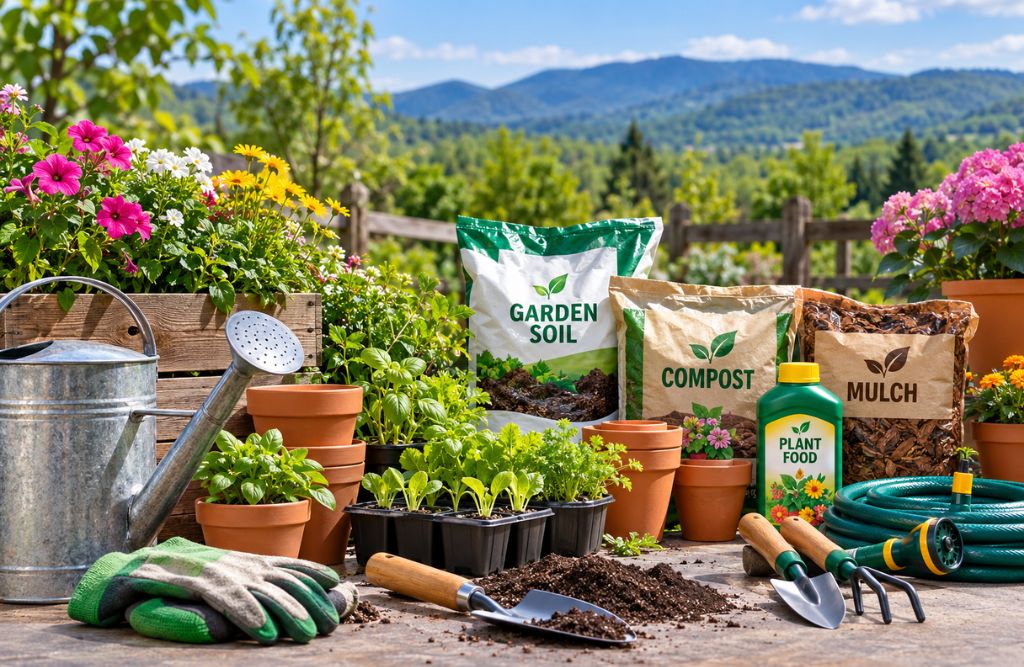
Top Garden Supplies Vermont to Help Your Plants Grow Better
A beautiful garden starts with healthy soil, the right tools, and a little patience. Whether you are growing colorful flowers, fresh vegetables, herbs, or ornamental shrubs, having the right supplies can make gardening easier and more enjoyable. In Vermont, where seasonal changes can influence planting schedules and plant growth, choosing suitable gardening products is especially important.
From soil and compost to seeds, fertilizers, watering equipment, and garden tools, the supplies you choose can make a noticeable difference in the health of your plants. Understanding what your garden needs will help you make better purchasing decisions and create an outdoor space that thrives throughout the growing season.
If you are planning to improve your backyard, start a vegetable patch, or maintain an existing landscape, exploring quality Garden supplies Vermont options is a practical first step.
1. Choose the Right Soil and Compost
Healthy soil provides the foundation for a successful garden. It supplies plants with essential nutrients, supports root development, and helps regulate moisture. Even when you purchase excellent seeds or plants, poor soil conditions can limit their growth.
Vermont gardens can have different soil types depending on the location. Some areas may have heavy, compacted soil, while others have sandy or rocky ground. Before purchasing soil amendments, consider testing your garden soil to understand its pH and nutrient levels.
Compost is a useful addition to many gardens because it improves soil structure and supports beneficial soil organisms. It can help sandy soil retain moisture and make heavy soil more workable when incorporated appropriately.
When shopping for soil-related products, consider these essentials:
- Garden soil: Suitable for preparing planting areas and improving garden beds when matched to the existing soil.
- Compost: Adds organic matter and supports healthy soil structure.
- Potting mix: Designed for containers, planters, and many indoor or outdoor potted plants.
- Mulch: Helps conserve moisture, suppress weeds, and protect soil from temperature fluctuations.
Choose products according to your plants’ requirements rather than assuming that one soil mixture will work for every gardening project.
2. Find Quality Seeds and Plants for Vermont’s Climate
Selecting suitable seeds and plants is another important part of gardening. Vermont experiences cold winters and a relatively short outdoor growing season compared with many warmer regions. As a result, gardeners benefit from choosing plant varieties that can mature within their available growing period.
Cool-season vegetables, such as lettuce, spinach, peas, and radishes, can be useful options for early-season planting. Tomatoes, peppers, cucumbers, and other warm-season crops generally need warmer conditions and may benefit from being started indoors before outdoor planting.
Always check the expected last spring frost and first autumn frost for your particular location. Local conditions, elevation, and microclimates can affect planting dates.
When buying seeds and plants, look for clear growing instructions, suitable maturity dates, and information about sunlight and spacing. Disease-resistant varieties can also help reduce common growing problems.
Reliable Garden supplies Vermont retailers may offer seeds, seedlings, bulbs, and other planting essentials suited to different gardening projects. Ask about varieties that perform well in your area if you are uncertain about what to grow.
3. Use Fertilizers Wisely
Plants need nutrients to develop strong roots, healthy leaves, flowers, and fruit. However, adding fertilizer without understanding your soil can do more harm than good.
A soil test can help determine whether your garden needs additional nitrogen, phosphorus, potassium, or adjustments to soil pH. Once you understand the results, you can select a fertilizer that addresses the garden’s specific needs.
Organic fertilizers, compost-based products, and conventional granular or liquid fertilizers each have different uses. Some provide nutrients gradually, while others make nutrients available more quickly.
Follow the manufacturer’s instructions carefully and avoid applying more fertilizer than recommended. Excess nutrients can damage plants and contribute to water pollution when they enter nearby waterways.
For a more sustainable approach, combine appropriate fertilization with composting, mulching, and good watering practices. Healthy soil management often reduces the need for unnecessary additional products.
4. Invest in Essential Gardening Tools
The right tools make everyday gardening tasks faster and more comfortable. You do not need an expensive collection to get started. A few dependable tools can handle most routine jobs in a home garden.
Consider keeping these items in your gardening shed:
- Hand trowel: Useful for transplanting seedlings, digging small holes, and working in containers.
- Pruning shears: Help trim damaged branches, remove dead growth, and maintain shrubs.
- Garden gloves: Protect your hands from dirt, rough stems, and minor scratches.
- Rake: Helps collect leaves, spread mulch, and prepare garden beds.
- Spade or shovel: Useful for digging, moving soil, and preparing planting areas.
- Weeding tools: Help remove unwanted plants from garden beds and pathways.
Choose tools that feel comfortable in your hands and are appropriate for the size of your garden. Clean them after use, dry metal surfaces before storage, and sharpen cutting tools when necessary.
Well-maintained tools can last for years, making them a worthwhile investment for both beginners and experienced gardeners.
5. Make Watering Easier and More Efficient
Water is essential for plant growth, but the correct amount depends on the plant, soil type, weather, and stage of development. Inconsistent watering can cause wilting, poor growth, and other plant problems.
A watering can is often sufficient for a small garden or a few containers. Larger gardens may benefit from a garden hose, adjustable spray nozzle, soaker hose, or drip irrigation system.
Drip irrigation and soaker hoses deliver water close to plant roots, helping reduce evaporation and unnecessary wetting of foliage. These systems can be particularly useful for vegetable beds and established planting areas.
Water deeply when needed rather than relying on frequent, shallow watering. Check the soil before watering, because rainfall and cooler weather may reduce the amount of additional moisture your plants require.
Mulching around plants can also help the soil retain moisture. Leave a little space around plant stems and tree trunks to reduce the risk of excess moisture-related problems.
6. Control Weeds and Protect Plants from Pests
Weeds compete with garden plants for sunlight, nutrients, water, and space. Meanwhile, insects and plant diseases can affect leaves, roots, flowers, and fruit. A combination of prevention and regular observation can help keep these problems manageable.
Mulch is useful for suppressing many weeds, although some weeds may still emerge. Hand-pulling small weeds before they spread can prevent larger problems later in the season.
For pest management, inspect plants regularly and look for changes such as holes in leaves, discoloration, damaged stems, or unusual growth. Identify the problem before choosing a treatment, since not every insect is harmful.
Useful garden protection supplies may include row covers, plant supports, insect netting, and suitable pest-control products. Choose any treatment according to the pest identified, the plant being protected, and the product label.
Whenever possible, use integrated pest management. This approach combines prevention, monitoring, physical controls, and targeted treatments when necessary. It can help protect beneficial insects while reducing unnecessary pesticide use.
7. Prepare Your Garden for Vermont’s Changing Seasons
Seasonal preparation is especially important for Vermont gardeners. Spring is often a time for cleaning garden beds, preparing soil, starting seeds, and checking tools. Summer brings regular watering, weeding, pruning, and harvesting.
As autumn approaches, gardeners can collect fallen leaves, remove diseased plant material, add appropriate organic matter, and prepare certain plants for colder weather. Mulch can help protect perennial roots when applied at the appropriate time and depth.
Before winter, clean and store hoses, drain outdoor watering equipment, and keep metal tools dry to help prevent damage. Some tender plants may need to be moved indoors or protected according to their individual requirements.
Planning these tasks in advance helps reduce last-minute work and prepares your garden for the next growing season.
If you are refreshing your outdoor space or starting a new project, finding dependable Garden supplies Vermont options can help you prepare for each stage of the gardening calendar.
8. How to Choose the Best Garden Supply Store
Not every gardening project requires the same products. A vegetable gardener may priorities seeds, compost, irrigation equipment, and plant supports, while someone maintaining ornamental landscaping may need pruning tools, mulch, soil amendments, and containers.
Before choosing a supplier, consider the range and quality of its products, the clarity of its growing advice, and whether its supplies match your needs.
Here are a few practical tips:
- Compare product labels, quantities, and prices before buying.
- Check whether seeds and plants are appropriate for your growing conditions.
- Ask about soil amendments and fertilizers if you are unsure what your garden requires.
- Look for durable tools that are comfortable to use.
- Purchase only the amount of material you can reasonably use and store.
- Consider local garden centers for seasonal advice and regionally suitable plant options.
A knowledgeable supplier can help you avoid unnecessary purchases and select products that support your long-term gardening goals.
For homeowners looking to simplify their shopping, comparing available Garden supplies Vermont products can help identify practical options for gardens of different sizes and experience levels.
9. Create a Healthier Garden with the Right Supplies
Successful gardening is not simply about buying more products. It is about understanding your soil, selecting appropriate plants, providing enough water, and maintaining a healthy growing environment.
Start with the essentials, observe how your plants respond, and make adjustments as the season progresses. A small vegetable garden may need only a few basic tools, quality soil amendments, and reliable watering equipment. A larger landscape may require additional supplies for pruning, mulching, irrigation, and seasonal protection.
You can also make gardening more sustainable by composting suitable organic waste, conserving water, choosing plants suited to local conditions, and avoiding unnecessary chemical treatments.
With thoughtful planning and consistent care, your garden can become a productive and attractive part of your home.
Conclusion
Growing healthy plants in Vermont begins with choosing the right supplies for your garden and local growing conditions. Quality soil, compost, suitable seeds, fertilizers, dependable tools, watering equipment, and effective plant protection products all contribute to better results.
Pay attention to seasonal changes, follow product instructions, and focus on the specific needs of your plants rather than purchasing items you may not need. Whether you are a beginner or an experienced gardener, a well-planned approach can make outdoor maintenance easier and more rewarding.
By comparing products and seeking useful local advice, you can find Garden supplies Vermont options that support your gardening goals and help you enjoy a healthier garden throughout the growing season.