How Natural Design Choices Can Create More Comfortable Living Spaces
A home is more than a collection of rooms, furniture, and decorative items. It is the place where people begin and end their days, spend time with family, relax after work, and create lasting memories. Because of this, homeowners are becoming more thoughtful about how their spaces look, feel, and function.
Modern interior design is shifting toward creating homes that support comfort, balance, and everyday living. Instead of focusing only on appearance, many people are considering how materials, layouts, colors, and textures influence the overall atmosphere of a space.
Small design decisions can create a noticeable difference. Updating surfaces, adding natural elements, improving organization, and choosing practical materials can help transform an ordinary home into a place that feels more welcoming and comfortable.
Why Natural Design Elements Are Becoming Popular
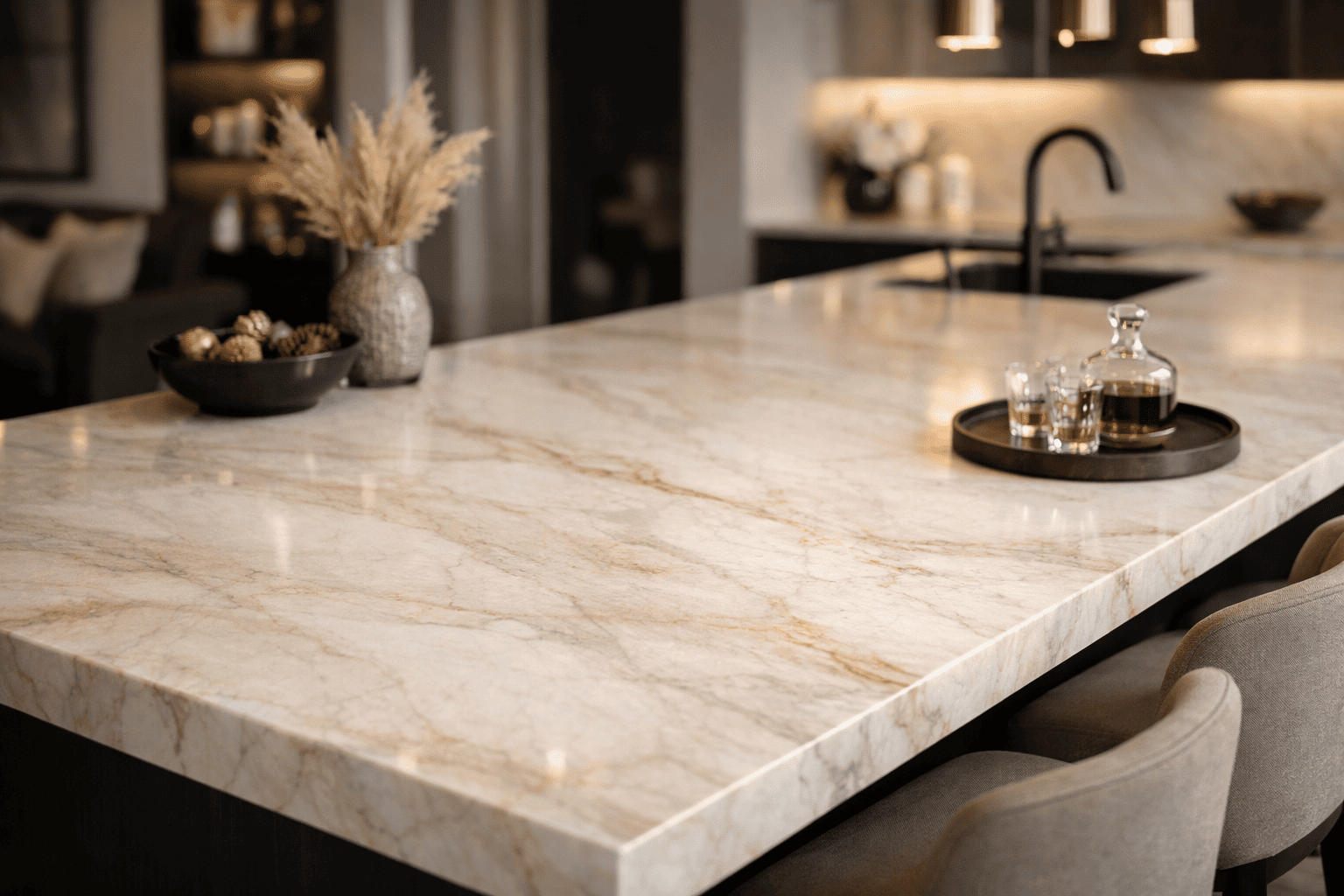
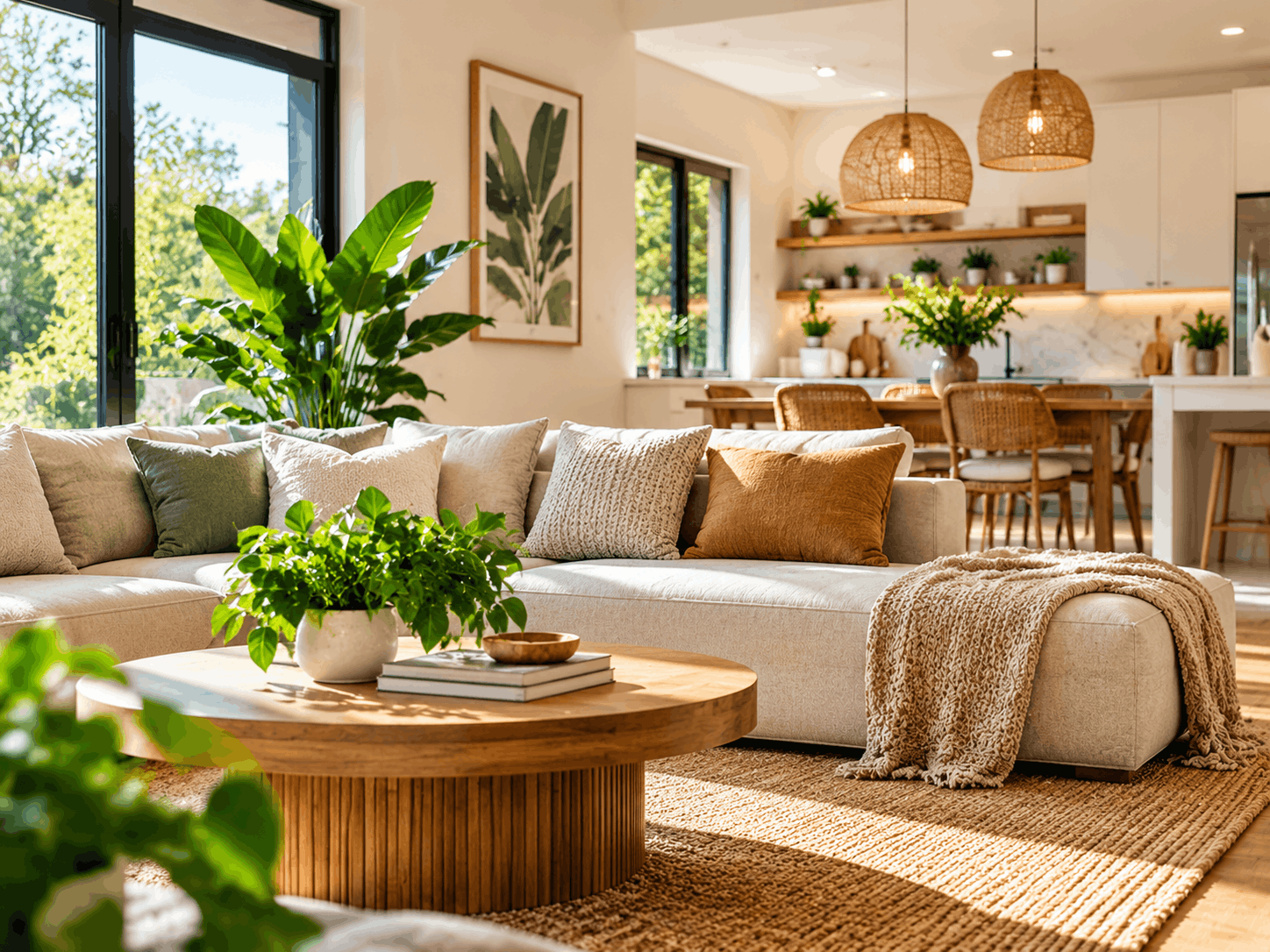
Natural-inspired interiors have gained popularity because they bring warmth and a sense of connection to living spaces. Materials that reflect nature, such as wood textures, soft fabrics, stone finishes, plants, and earthy colors, can create a calming environment.
Many homeowners prefer natural design because it feels timeless. Unlike short-term trends that quickly become outdated, natural elements often continue to look appealing for many years.
The goal is not to make every room look the same. Instead, homeowners can introduce natural features in ways that match their personality and lifestyle.
For example, a living room may benefit from warm textures and comfortable flooring, while a kitchen may focus on practical surfaces that can handle daily activity.
The Role of Flooring in Creating Comfortable Homes
Flooring is one of the most important design elements in any home because it covers a large part of every room. The right flooring can influence the appearance, comfort, and functionality of a space.
Many homeowners overlook flooring when planning interior improvements. They often focus on furniture, paint colors, and decorations while forgetting that the floor creates the foundation of the entire design.
Choosing the right surface requires considering both style and practical needs. A family home with children and pets may require a different option than a quiet home with minimal daily traffic.
Working with an experienced flooring provider such as Sam’s Flooring allows homeowners to explore different materials, finishes, and styles while understanding which options are suitable for their lifestyle.
A comfortable floor should provide more than visual appeal. It should also support everyday activities, be easy to maintain, and remain attractive over time.
Creating Balance Between Beauty and Function
A well-designed home should not only look good but also work well for the people living inside it. The most successful spaces combine beauty with practical performance.
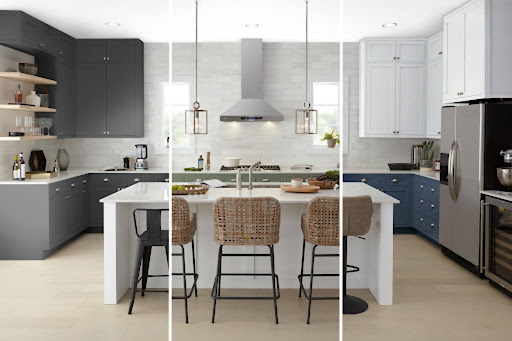
For example, a family room should provide enough comfort for relaxation while handling regular movement. A kitchen should have an attractive design while offering surfaces that are easy to clean. A bedroom should feel peaceful while supporting daily routines.
This balance is especially important when selecting materials. Some options may look impressive but require extensive maintenance. Others may provide excellent durability but not match the homeowner’s preferred style.
The best choices are those that fit both the visual goals and the practical requirements of the household.
Adding Warmth Through Textures and Materials
One reason natural design is appealing is the way textures affect how a room feels. Smooth surfaces can create a modern appearance, while softer textures can make spaces feel more comfortable.
Combining different textures creates depth and personality. A room with only hard surfaces may feel cold, while adding fabrics, rugs, plants, and natural finishes can make it feel more inviting.
Floor coverings are one simple way to introduce comfort and style. Choosing the right area rugs for the home can help define spaces, add visual interest, and create a softer feeling underfoot.
Rugs can also provide practical benefits. They can help protect certain areas from daily wear, reduce noise, and create separate zones in open-plan living spaces.
Choosing Materials That Match Your Lifestyle
Every homeowner has different needs. A material that works perfectly in one home may not be the right choice for another.
Before making design decisions, homeowners should think about their daily routines.
Families with young children may need surfaces that can handle spills, movement, and frequent cleaning. Pet owners may prioritize materials that resist scratches and are easy to maintain. People who enjoy entertaining guests may need durable options for high-traffic areas.
Understanding lifestyle requirements helps prevent decisions based only on appearance.
A beautiful home should also be practical. The materials selected should make daily life easier rather than create additional maintenance challenges.
How Comfortable Spaces Support Everyday Well-Being
The environment around us can influence how we feel and interact with our homes. A cluttered, uncomfortable, or poorly designed space can make daily routines more difficult.
On the other hand, organized and thoughtfully designed rooms can create a more relaxing atmosphere.
Comfort comes from many small details working together. Good lighting, functional layouts, suitable colors, comfortable surfaces, and organized storage all contribute to how a home feels.
Natural design choices often support this idea because they create spaces that feel connected, balanced, and welcoming.
The goal is not perfection. It is creating an environment where people feel comfortable spending their time.
The Importance of Easy Maintenance
A home should be enjoyable to live in, not difficult to manage. Maintenance requirements should always be considered when selecting materials and finishes.
Busy homeowners often prefer solutions that are easy to clean and maintain. Surfaces that handle everyday use without requiring complicated care can save time and reduce stress.
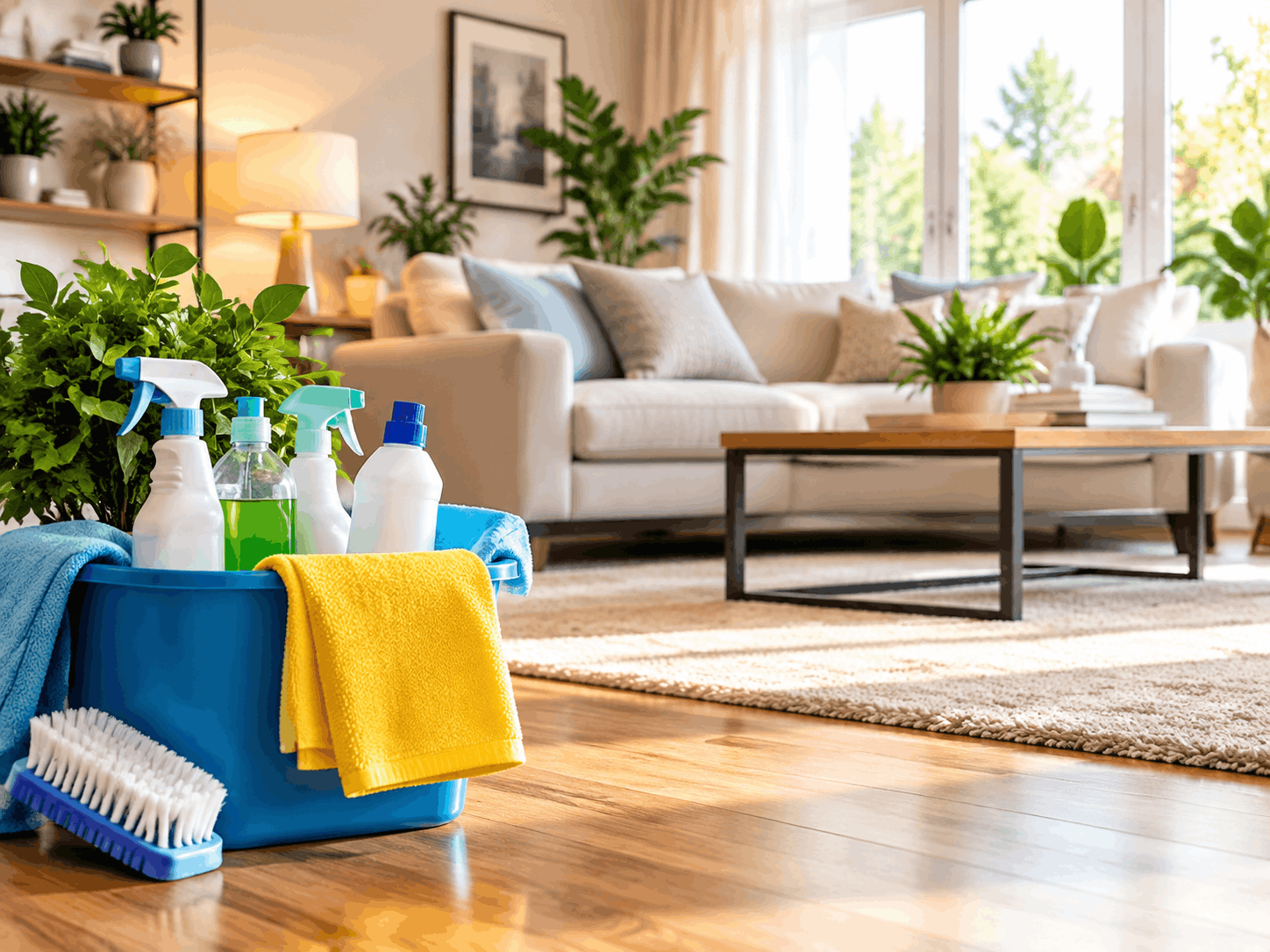
Regular maintenance also helps protect home investments. Simple habits such as cleaning spills quickly, removing dirt from entry areas, and following care recommendations can extend the life of many materials.
When choosing home upgrades, homeowners should think beyond the first impression. They should consider how the choice will perform months and years later.
Improving Indoor Spaces With Thoughtful Updates
Home improvements do not always require major renovations. Small updates can completely change the feeling of a room.
Replacing outdated surfaces, improving storage, updating lighting, or introducing natural textures can create a fresh appearance without rebuilding the entire space.
For example, changing the flooring in a single room can create a noticeable transformation. Updating a living room, bedroom, or family area can improve both comfort and visual appeal.
Small improvements also allow homeowners to make changes gradually according to their budget and priorities.
Creating More Functional Family Areas
Many modern homes need spaces that serve multiple purposes. A living room may become a place for relaxation, entertainment, work, and family activities.
Flexible design choices can help these spaces perform better. Furniture placement, storage solutions, lighting, and flooring choices all contribute to creating rooms that adapt to different needs.
A functional home does not necessarily require a large space. Smart planning can help homeowners make better use of the area they already have.
The Connection Between Colors and Comfort
Color plays an important role in interior design. Different shades can influence the mood and appearance of a room. Neutral colors often create a calm and flexible foundation. Natural shades such as beige, brown, gray, and soft greens can work well with many design styles.
Brighter colors can add energy and personality, while darker tones may create a more dramatic and comfortable atmosphere.
Homeowners should consider natural lighting when selecting colors because the same shade can appear different depending on the room’s light conditions.
Making Sustainable and Thoughtful Choices
Many homeowners are becoming more aware of how their choices affect their homes and surroundings. They are looking for durable materials that provide long-term value instead of products that need frequent replacement. Choosing quality materials can reduce waste and improve overall satisfaction. A well-made product that lasts longer often provides better value than a cheaper option that requires early replacement.
Thoughtful design is about creating spaces that work today while continuing to serve homeowners in the future.
Avoiding Common Home Design Mistakes
One common mistake is focusing only on appearance while ignoring functionality. A design may look attractive in pictures but fail to meet everyday needs. Another mistake is choosing materials without considering the room’s conditions. Moisture, traffic, sunlight, and maintenance requirements all influence how well a product performs.
Homeowners should also avoid making decisions too quickly. Viewing samples, comparing options, and understanding installation requirements can lead to better results.
Professional advice can help identify potential challenges before they become expensive problems.
How Small Improvements Create Long-Term Value
Home upgrades are not only about improving appearance. They can also increase comfort, functionality, and enjoyment. A thoughtfully designed home creates a better experience for the people who live there every day. Small improvements can make routines easier, spaces more enjoyable, and rooms more welcoming. Whether the goal is creating a relaxing environment, improving practicality, or updating an outdated interior, careful planning makes a difference.
Final Thoughts
Natural design choices can help create homes that feel comfortable, balanced, and connected to everyday life. The materials, colors, textures, and layouts chosen for a space all contribute to the overall experience. Home improvement does not always require large renovations. Small updates focused on comfort, functionality, and quality can create meaningful changes.
By choosing materials that match their lifestyle and focusing on long-term value, homeowners can create spaces that are not only beautiful but also enjoyable to live in. A comfortable home is built through thoughtful decisions. Every detail, from flooring to decorative elements, plays a role in creating a space where people feel relaxed, welcomed, and at ease.